Cathedral
Top Sites to see in Palermo
Palermo’s 12th century Cathedral combining Gothic, Renaissance, Baroque and Neo-Classical styles with Islamic decorative art beautifully reflects Sicilian architectural and artistic trends
Cathedral was founded in 1184 by the powerful archbishop of Palermo – Gualtiero Offamiglio in an attempt to “counterbalance” the prestige and power of the royal cathedral complex in the nearby Monreale.
It was built on the footprints of an earlier Byzantine basilica which in turn was converted to the mosque during Arabs domination.
During the following centuries the cathedral underwent numerous modifications. In the 13th and 14th centuries, cathedral gained some Gothic flavors; later the Spanish Crown left its own “footprints”. The current neoclassical shape and adornments (blended with still visible elements of earlier architectural styles) are from the late 18th century when the cathedral underwent the last major changes.

Palermo's Cathedral - view from Via Vittorio Emanuele
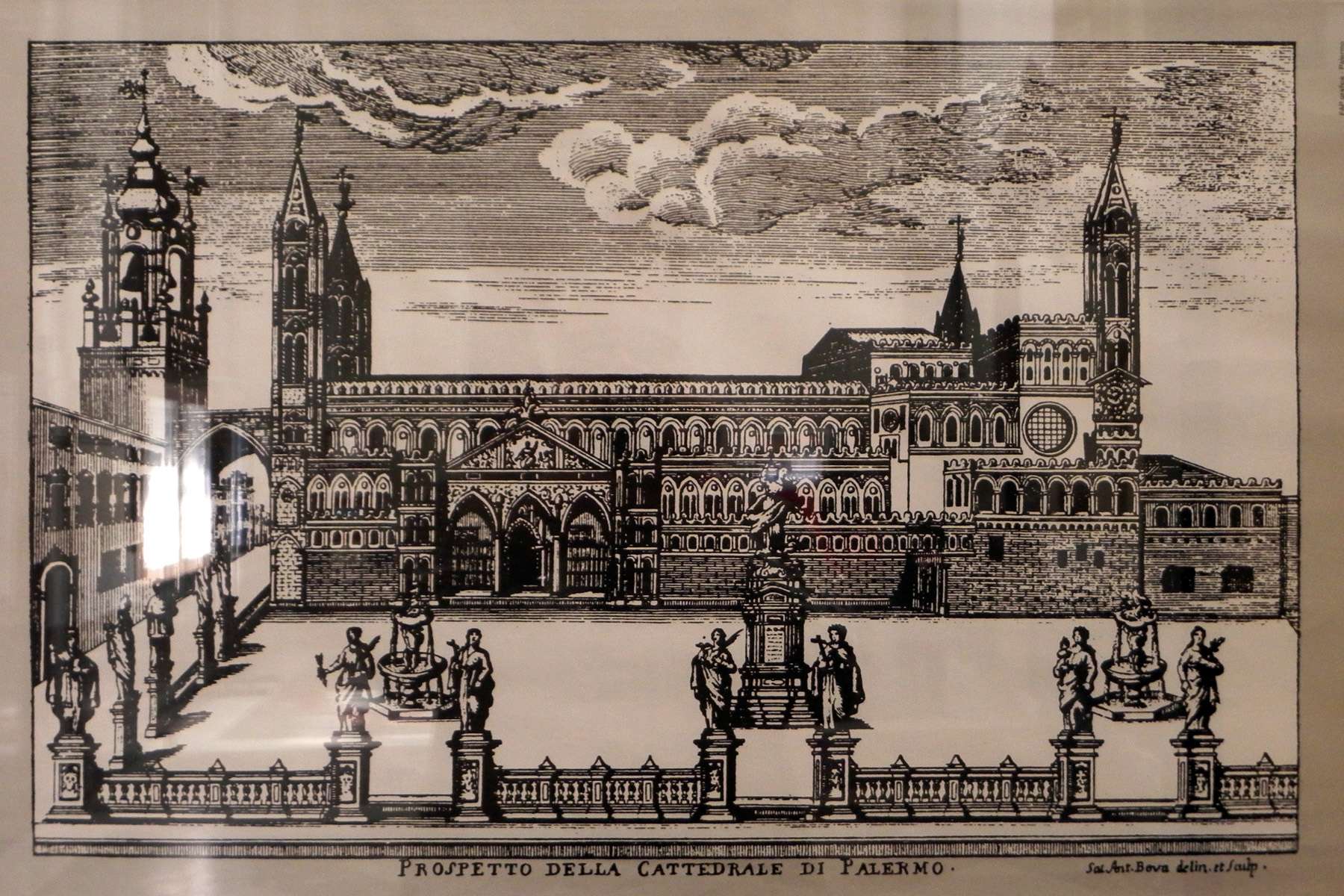
Palermo's Cathedral - an old drawing
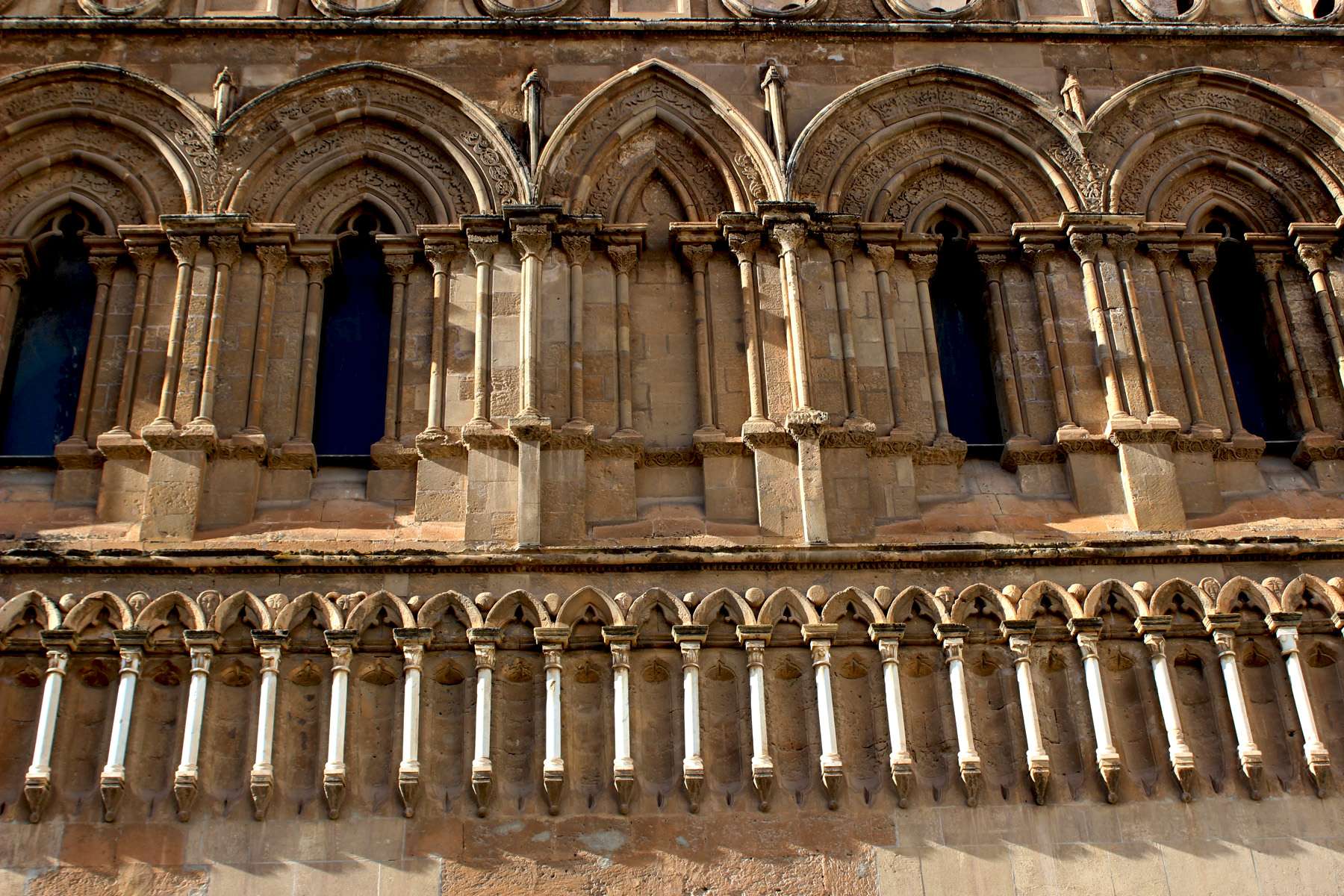
Incredible architectural richness

Side-entrance tower
The main façade on the western side (Via Matteo Bonello) with a marvelous 14th century gothic portal flanked by two narrow towers faces an imposing Bell Tower (now part of the Archbishop’s Palace). Due to unusual architectural arrangement enclosing the frontal space between the church and the bell-tower in the web of high flying arches and arcades, the facade does not easily expose its sheer beauty and raw medieval look. Architecturally - it’s simply a “closed” space ….
But the panoramic effect of cathedral’s side view from the Piazza Catedralle facing the Corso Vittorio Emanuele gives totally different impressions. The magnificence of the structure confined by four soaring corner towers and crowned by the central dome is overwhelming. The marvelous portico, set of small cupolas covering aisles’ ceiling, exquisitely decorated apse and harmonious mixture of architectural styles (Gothic, Renaissance, Baroque and Neo-Classical) combined with elements of Islamic decorative art beautifully reflect the centuries-long architectural and artistic trends in the city of Palermo.
The portico with three arches supported by columns is a masterpiece of Antonio Gambara. Build at around 1453 in a mixture of Catalan-Gothic styles, now it makes the main entrance to the cathedral. The most left column with engraved sentence from Koran is a remainder of existence of an earlier mosque on this site. The mosaic representing Madonna with child above the portal is from the 13th century. The 18th century bas-relief on the right side represents the King Charles 3rd Bourbon.
Four 14th century towers soaring at each corner add some slenderness to cathedral’s massive structure. The north portal (from the side of Via Incoronazione) dates from the 16th century and is the work of Antonello Gagini.
From the outside, the most visible neoclassical elements are certainly the large dome arising from the center of the structure and a row of smaller domes over the southern aisle. These works were carried out by the Neapolitan architect Ferdinando Fuga with the help of the local architect Joseph Marvuglia.
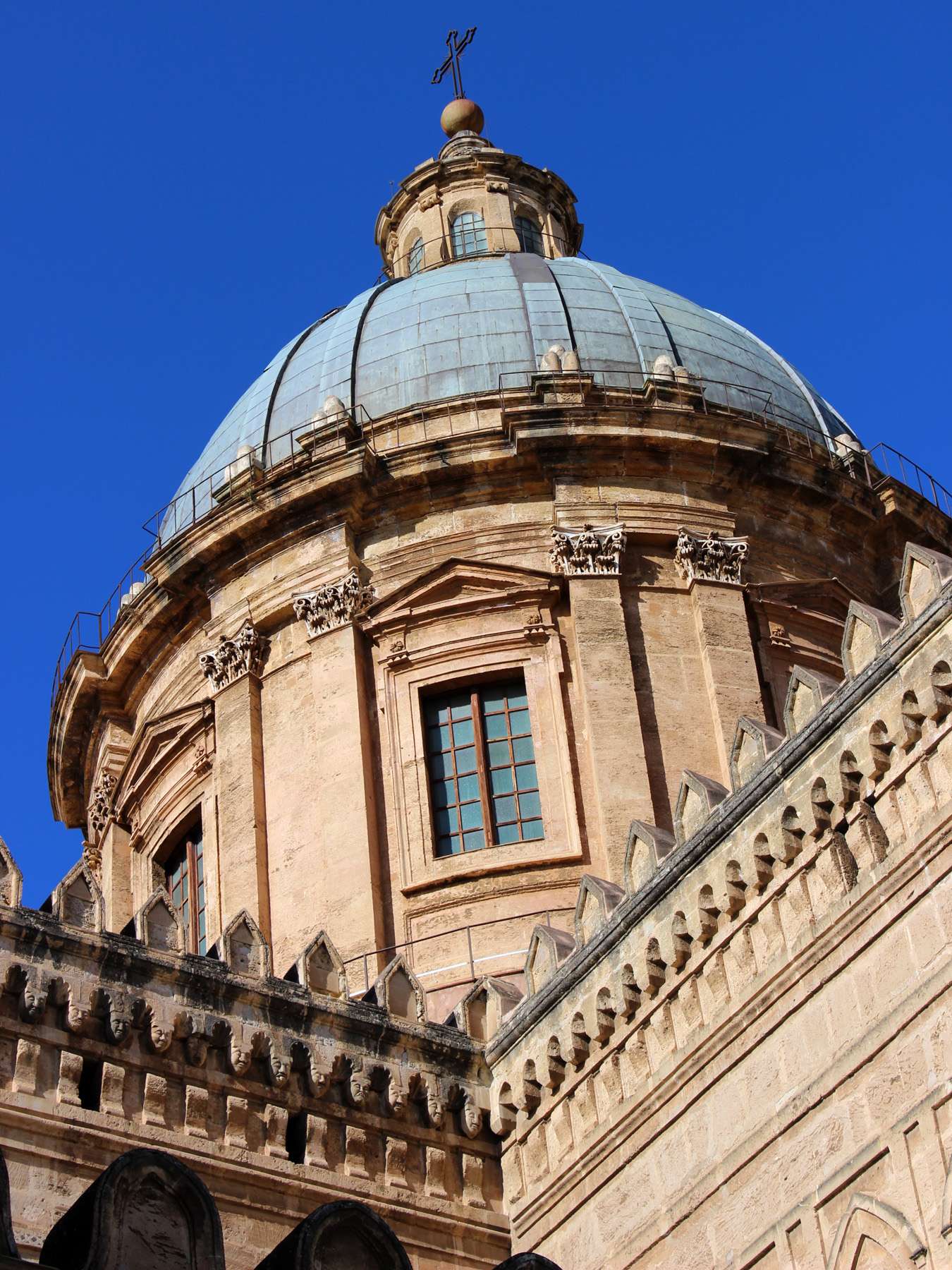
Characteristic element of Byzantine sacral architecture: Central dome

Cathedral: Clock Tower
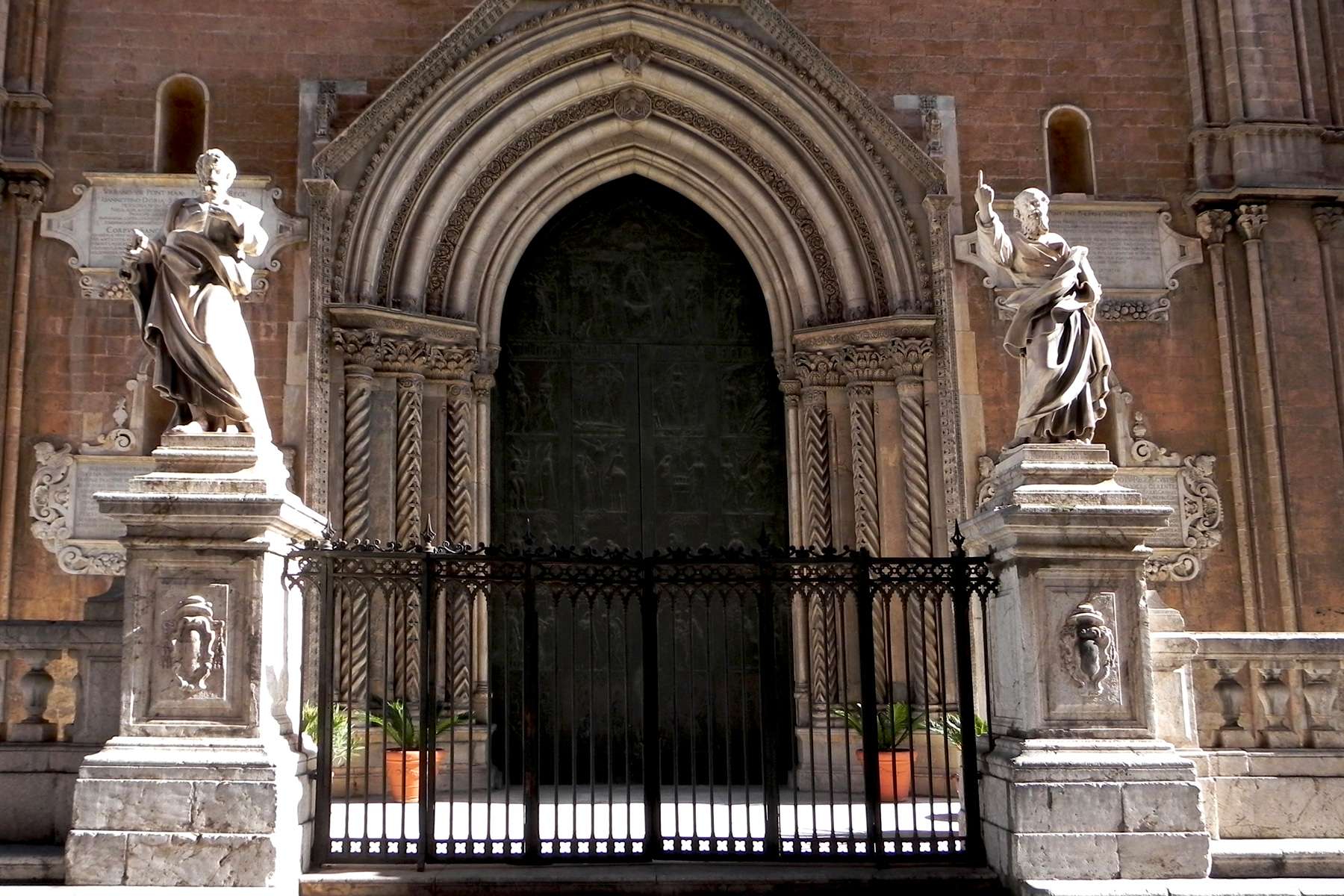
Main entrance from the Via Matteo Bonello

From the left: equally magnificent Archbishops' Palace (Today also housing Museo Diocesano), Statute of Palermo's Patron - Santa Rosalia, and Tower next to the frontal facade of the Cathedral.
Behind St. Rosalia visible upper part of the arcade connecting Archbishops' Palace with the Cathedral

Main Apse - from the outside

Beautiful mullioned window
Cathedral’s interior has Latin cross plan with the main nave and two aisles divided by rows of columns (side apses of the original basilica’s were “lost” during reconstructions). Among numerous chapels, spiritually notable are: Relics Chapel containing the relics of SS. Christina, Agatha, Cosma and Mamilious and Chapel of St. Rosalia (patron of Palermo) with urn containing her bones.
Artistically important are 13th century Crucifix, 15th century marble statue of Madonna with Child as well as holy water stoup and the painting of Madonna della Scala. These are masterpieces of such renowned artists like Francesco Laurana, Manfredi Chiaramonte, Domenico and Antonello Gagini (to name only few).
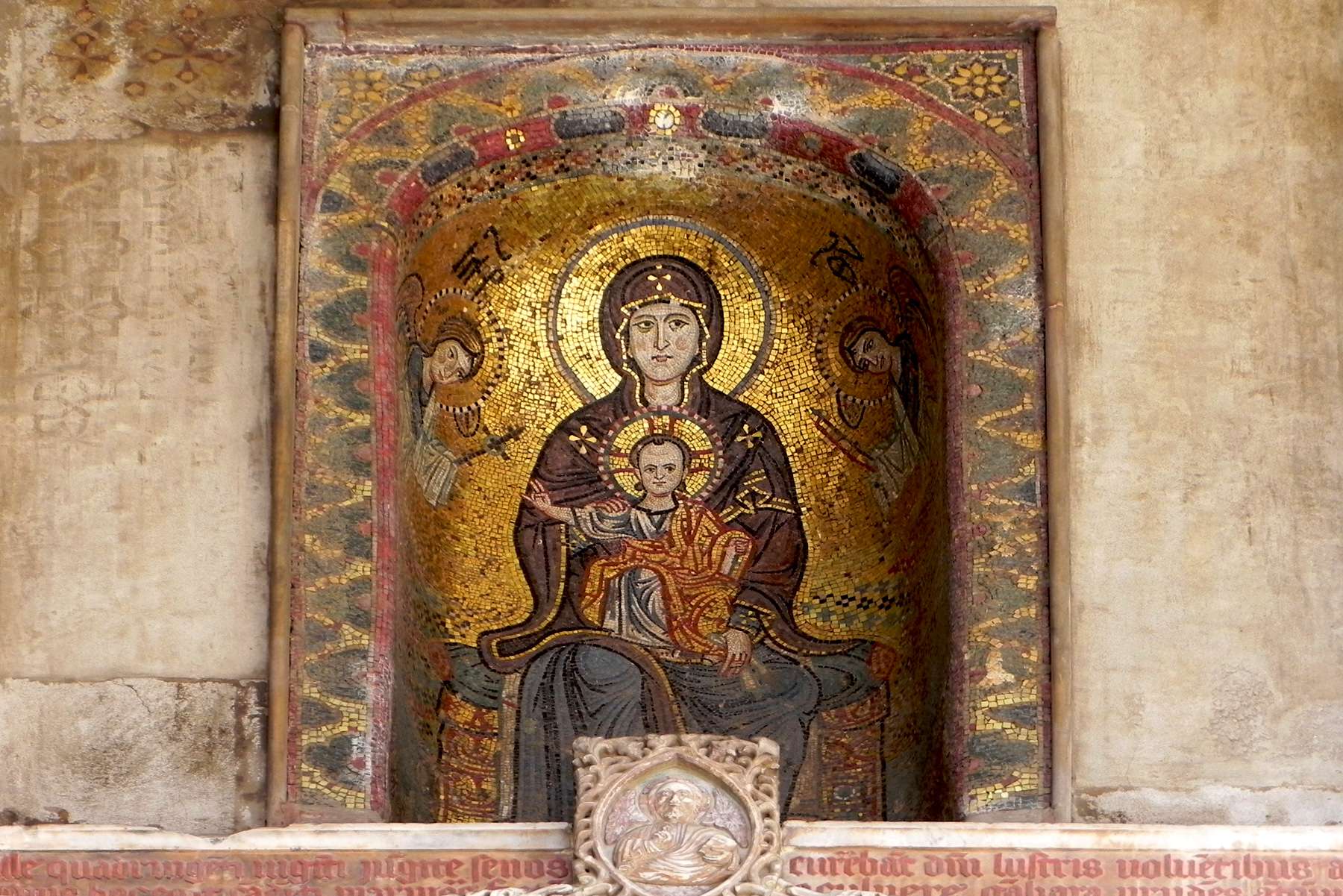
Madonna with Child (Mosaic) at the Gaginis' Portico (side-entrance)
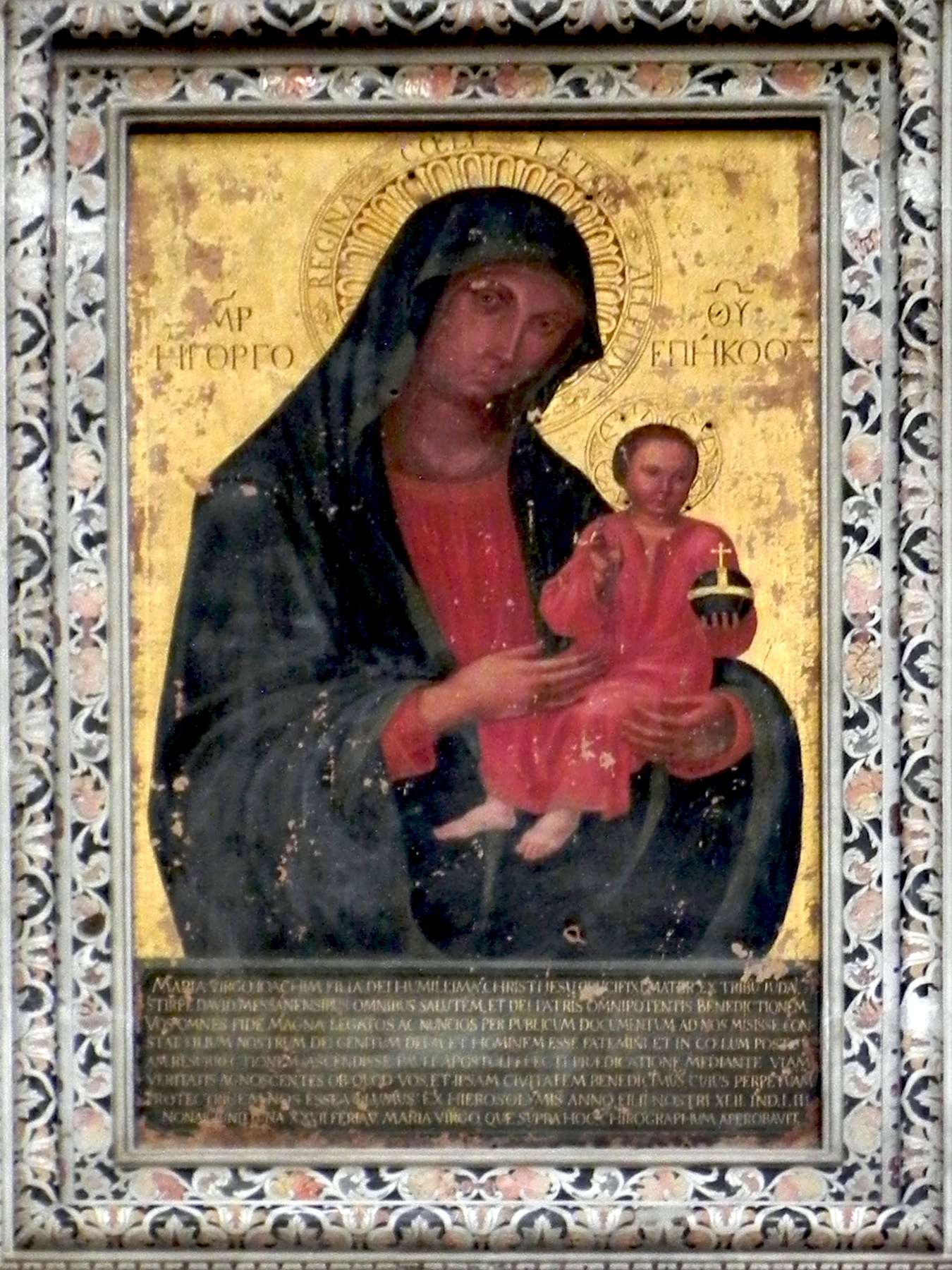
Virgin and Child (La S. Vergine con il Bambino) - painting by Antonio Filocamo (17th century)
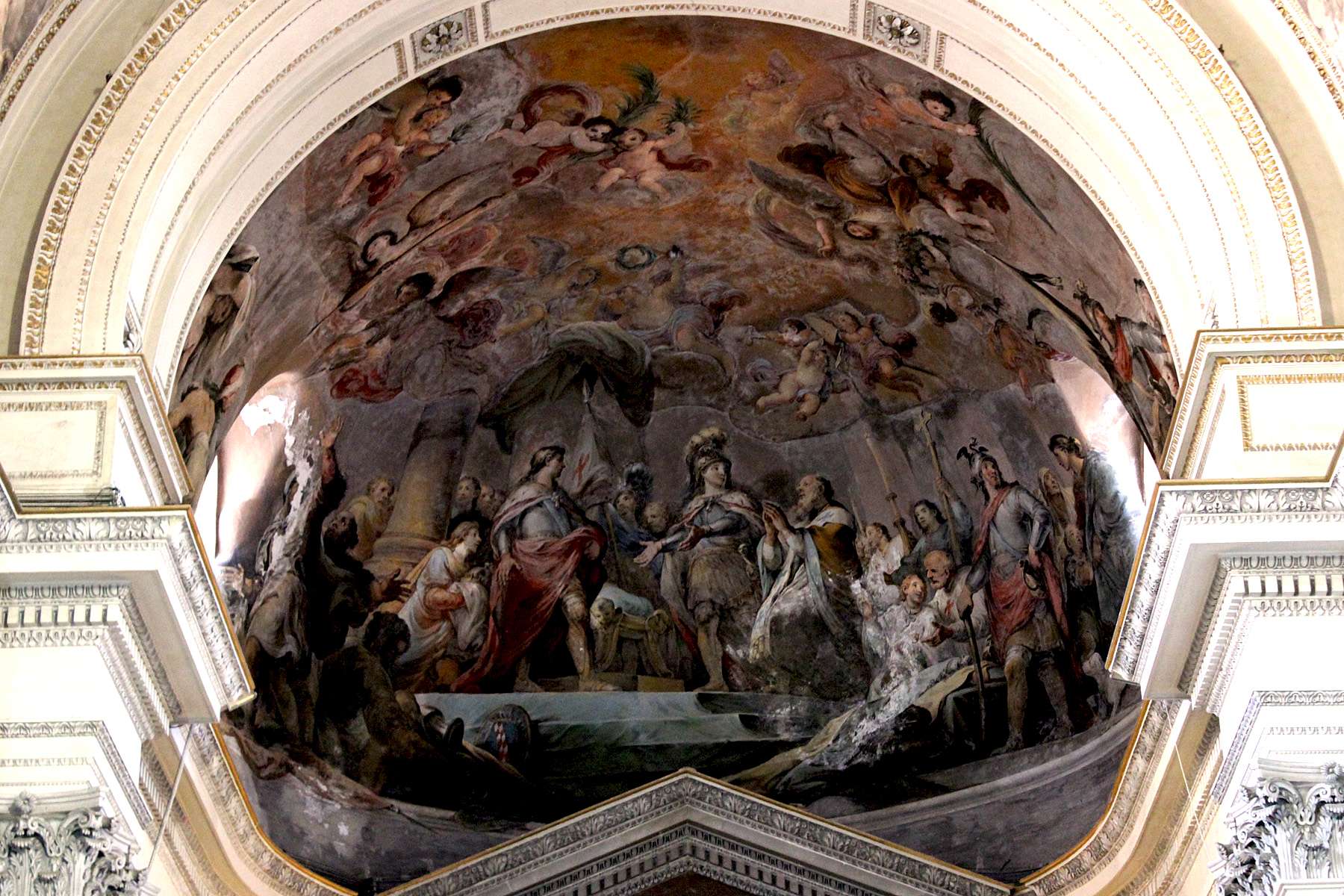
Main Apse - Frescos
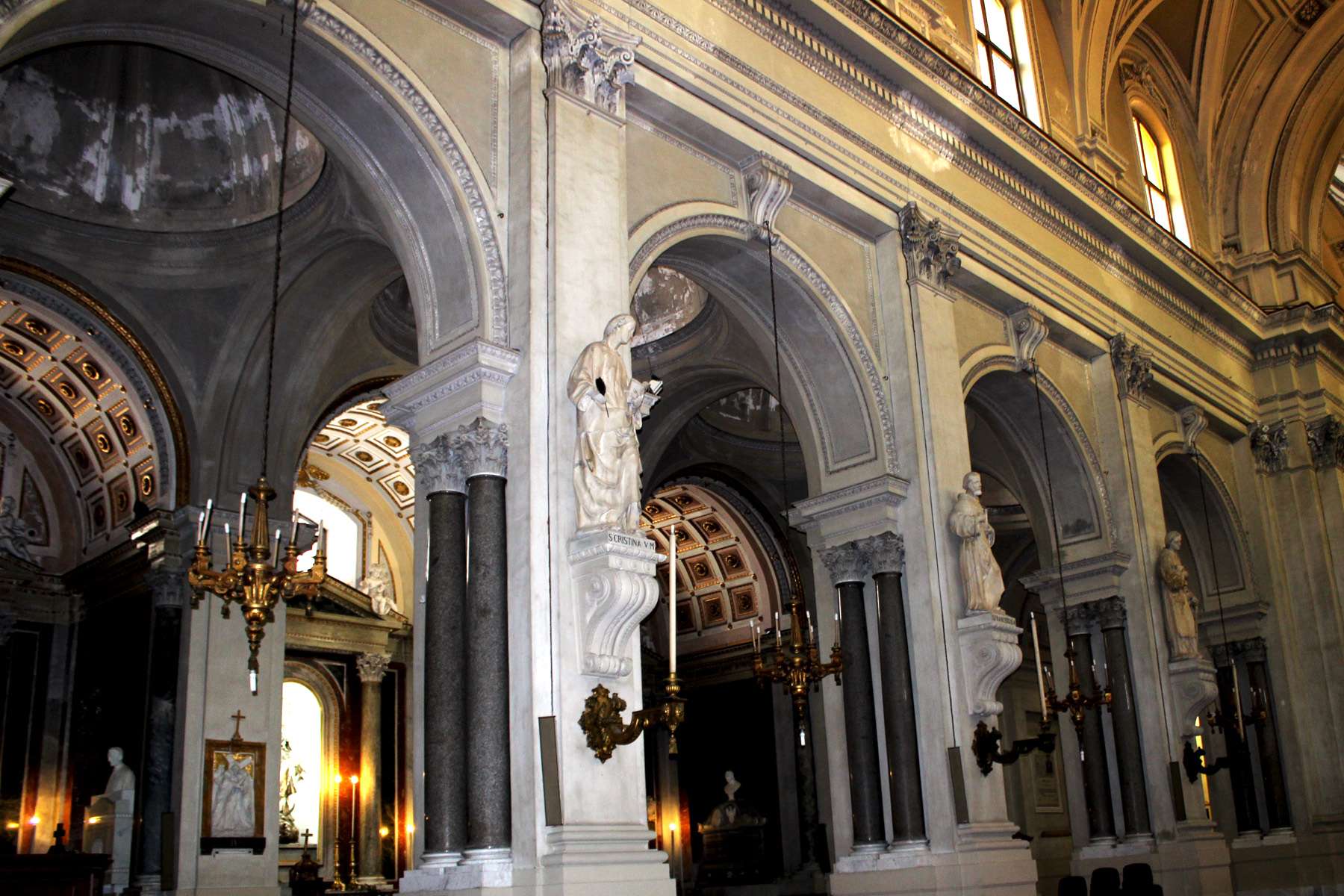
Interior

Beautufully ornamented Holy Water stoup
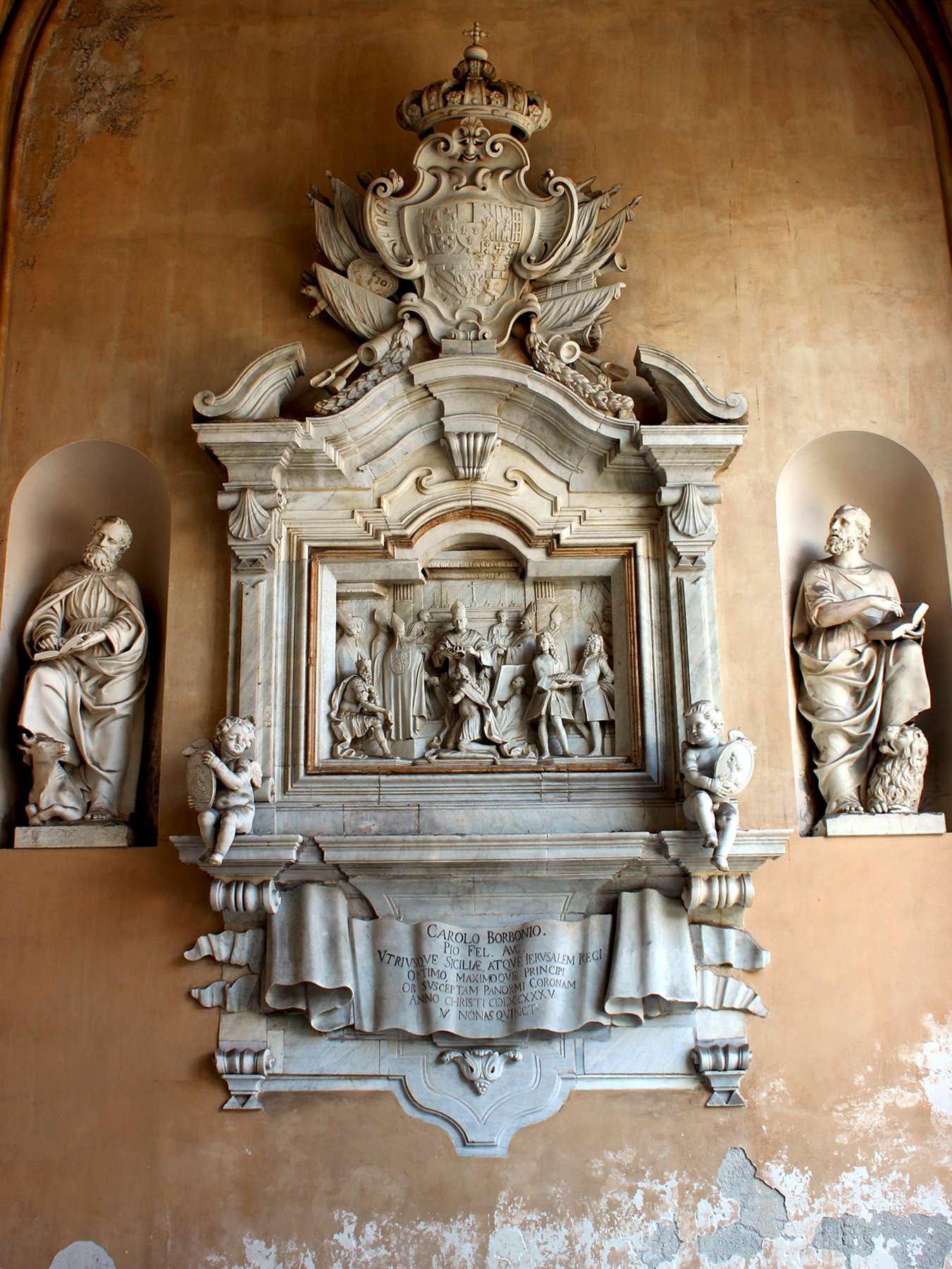
Bas-Relief: Coronation of king Charles Bourbon

Incredible composition of frescoes
Cathedral is a resting place for Sicilian kings. The most important ones include: Roger II (1st King of Sicily), his daughter and mother of Frederic 2nd - Constance d’Altavilla, Frederic II and his wife Constance of Aragon as well as some of their Norman successors and members of families. They are all sheltered in the Royal Pantheon located in the first two chapels in the right aisle.

Royal Pantheon: Sarcophagus of Frederic II
The underground vaulted crypt houses numerous tombs and sarcophagi from Roman, Byzantine and Norman times (including the sarcophagus of Gualtiero Offamiglio – founder of the cathedral). Most importantly, the crypt in form of two transversal naves supported by granite columns is actually the only remaining unaltered part of the original Norman structure.
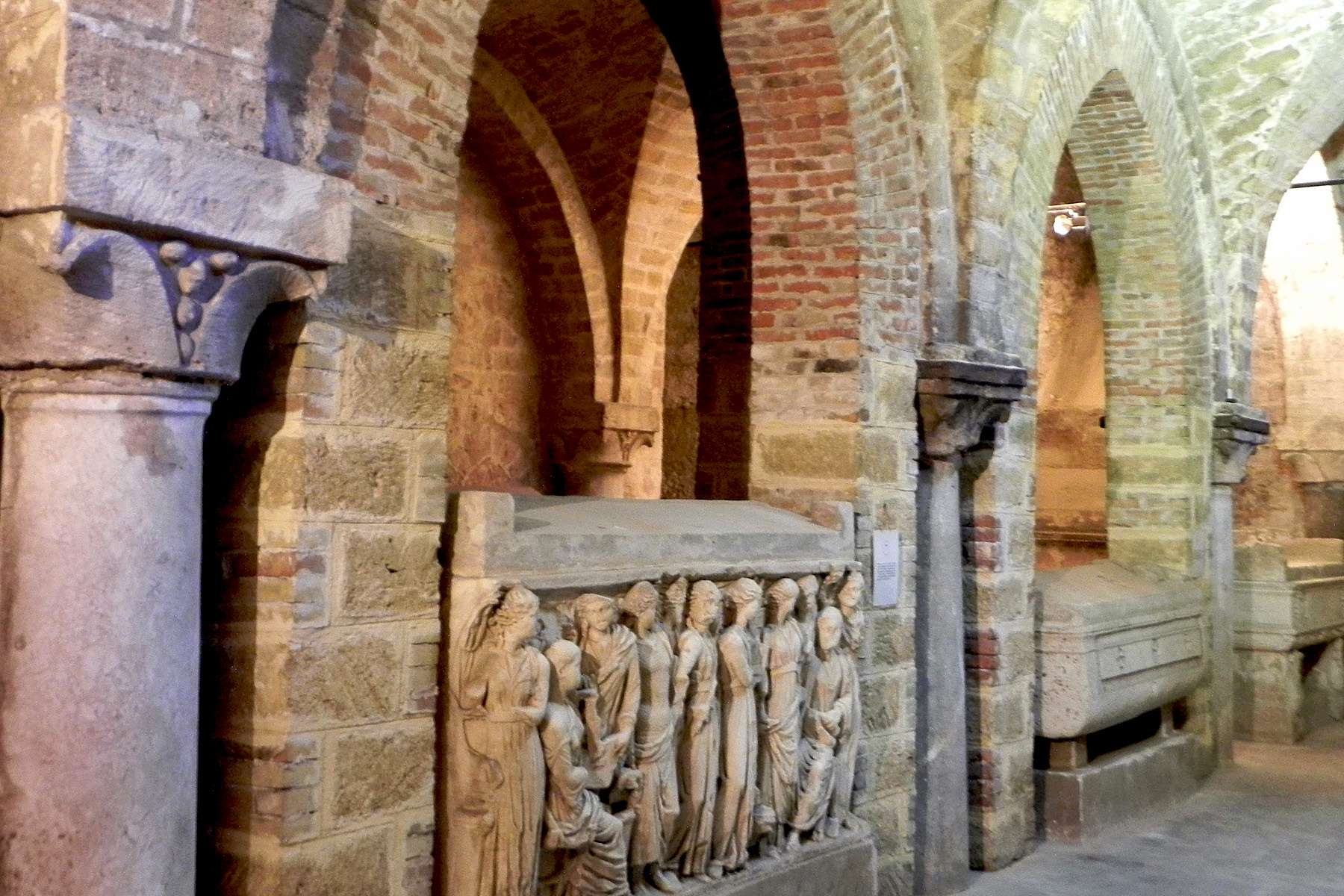
Crypt: Sarcophagus from the Classic Roman Period (Poet with muses)
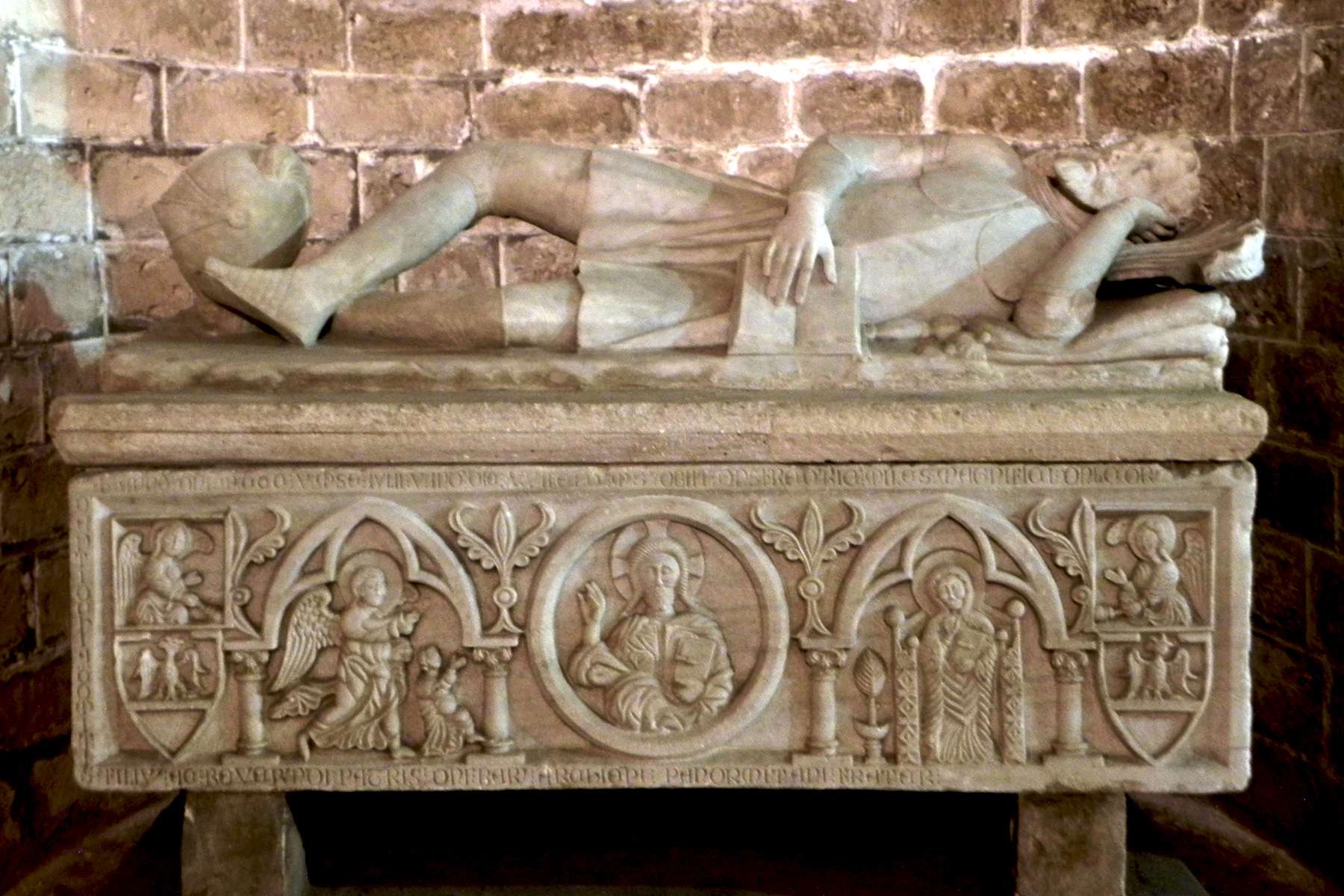
Sarcophagus of the king Frederic of Antioch
Cathedral’s Treasury houses numerous religious objects of great spiritual, historical and artistic values (chalices, silverware, altar vestments, embroidery, jewelry …..). Certainly the most precious object in the collection is the 13th century golden crown of Constance of Aragon (wife of Frederic 2nd ) The crown was removed from her sarcophagus in the 18th century.
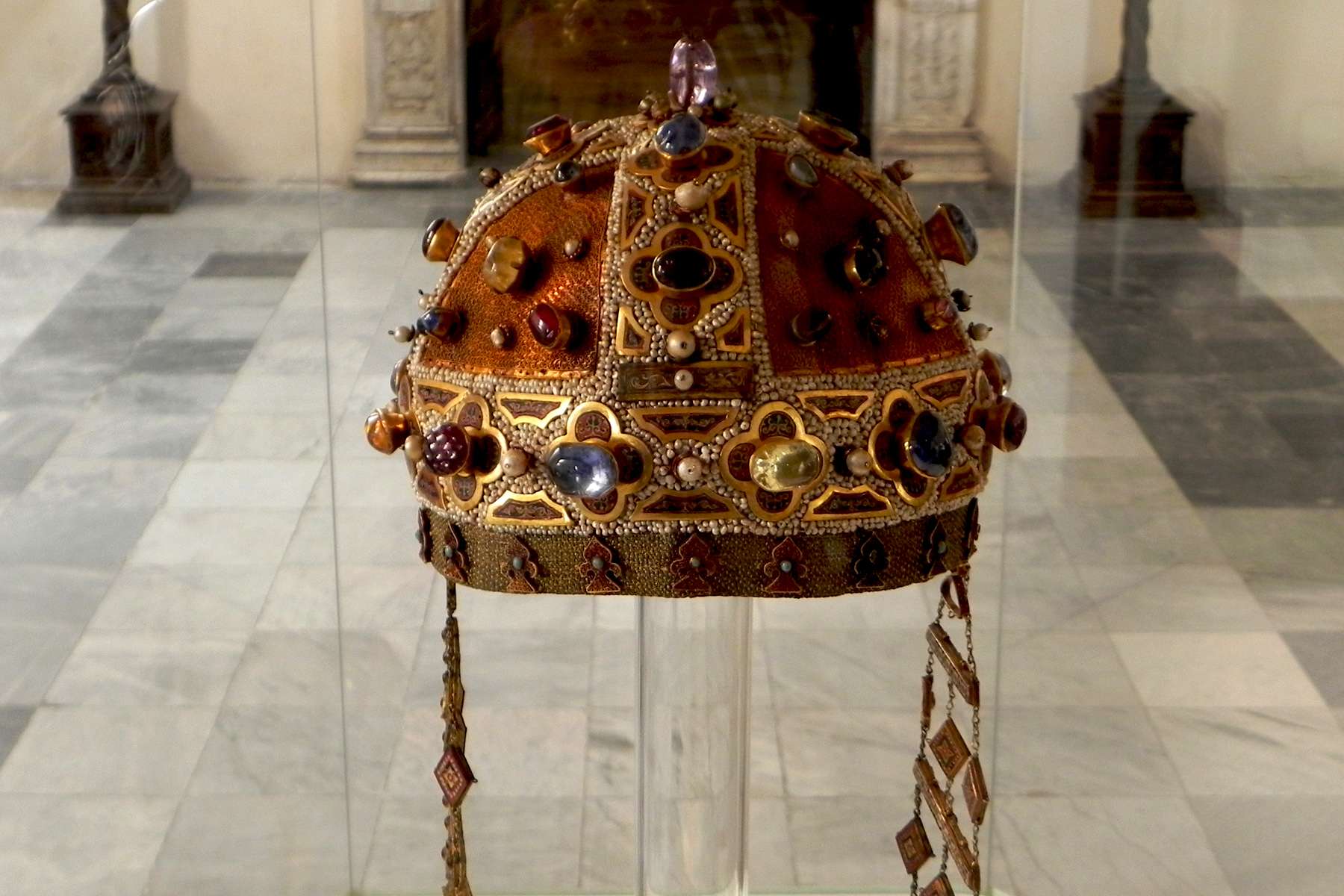
Cathedral's museum: Crown of Constance of Aragon

Cathedral museum - silver model of the cart carrying Santa Rosalia (the patroness of Palermo)
In 1794 at an initiative of an astronomer Giuseppe Piazzi, the cathedral received the solar clock (heliometer). Although it’s a secular instrument, the solar clock was used for religious purposes to correctly calculate the date of Easter (based on the Spring Equinox). Throughout the year, the projected image of sun along the bronze Meridian line on the floor pointing North-South directions reflects the “astronomical” time. The ends of the Meridian line indicate the summer and winter solstices while both Equinoxes and Zodiac signs along the line are related to other important dates.
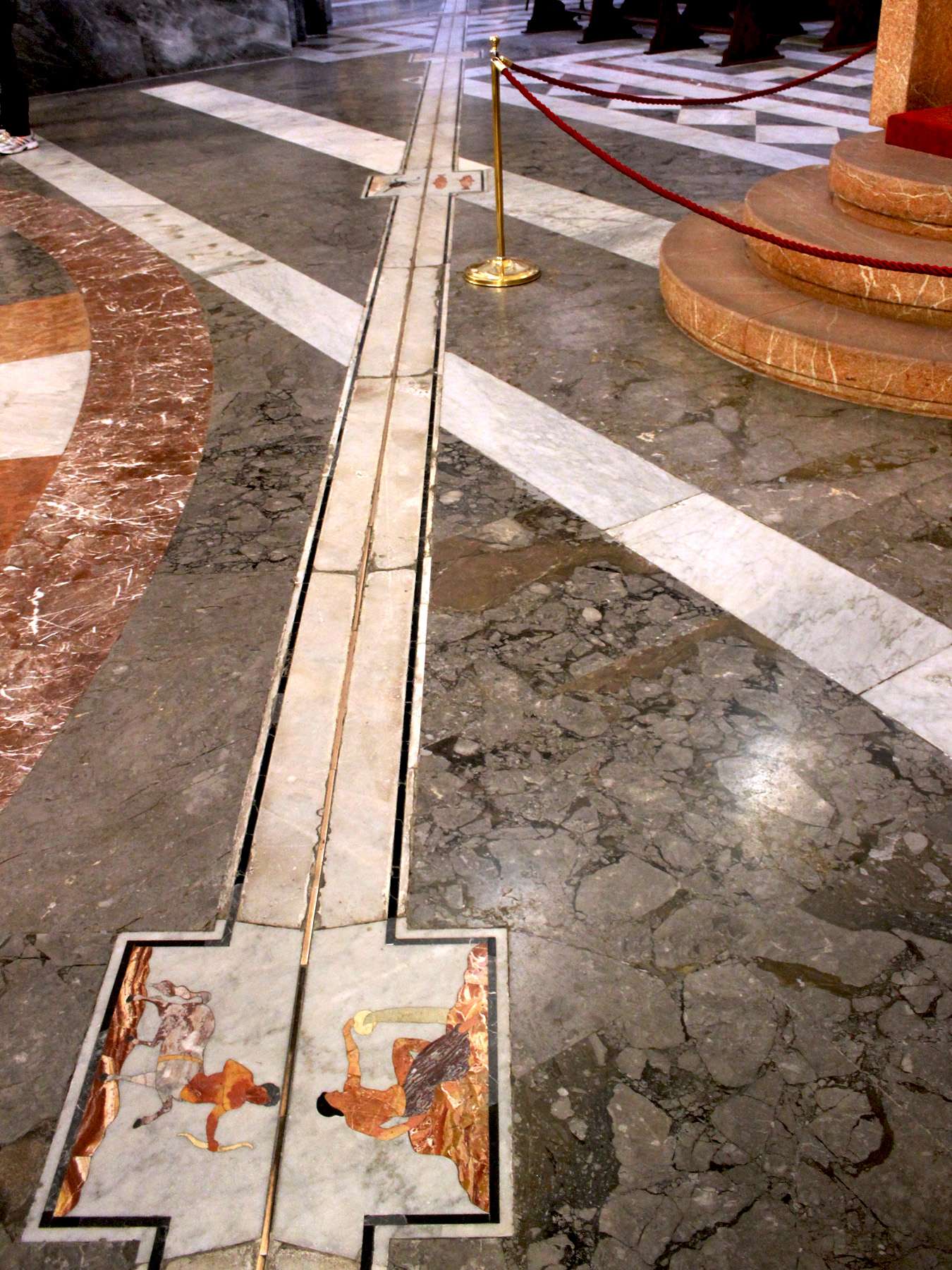
Meridian Line on the cathedral's floor
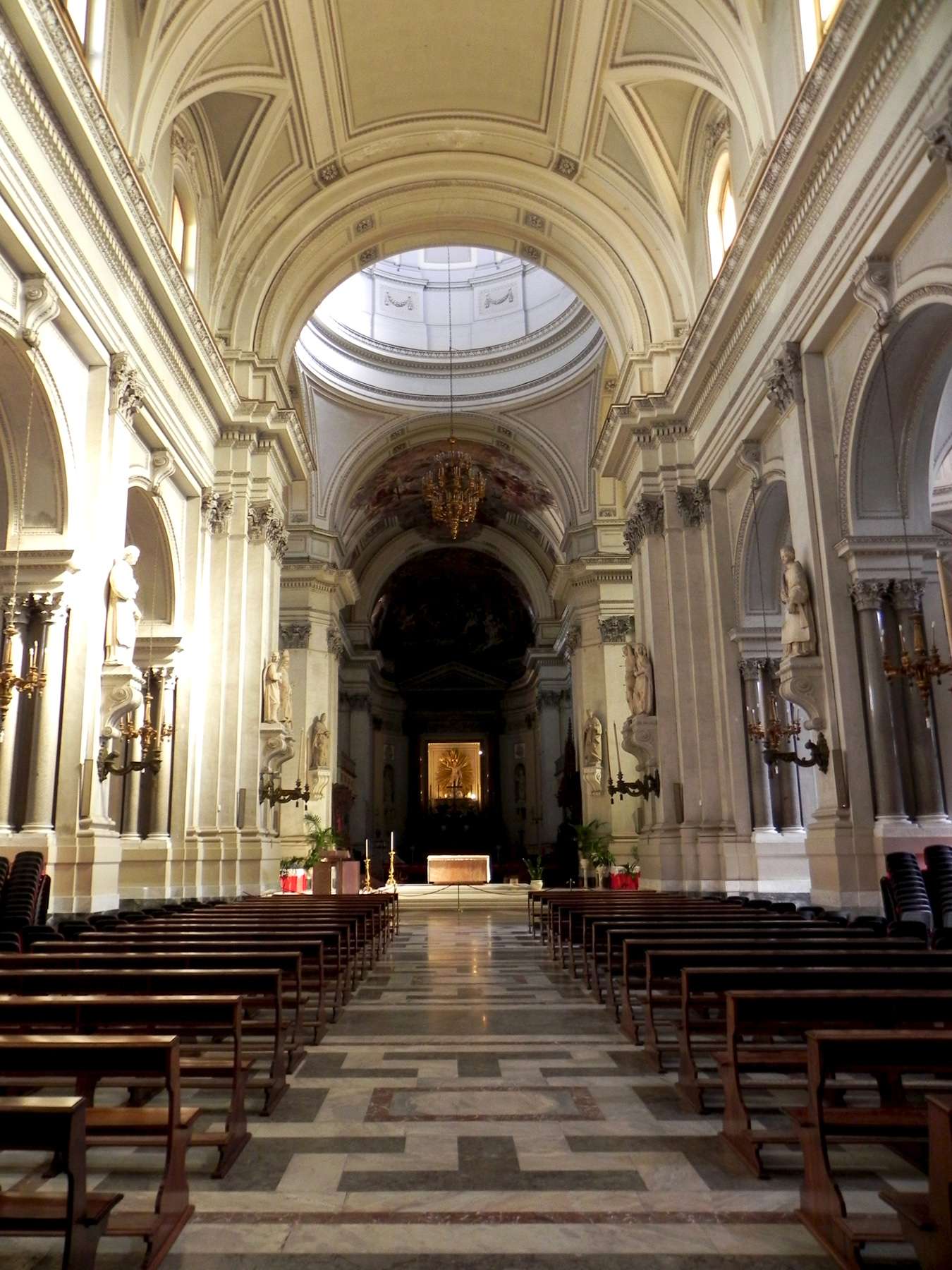
Cathedral's main nave
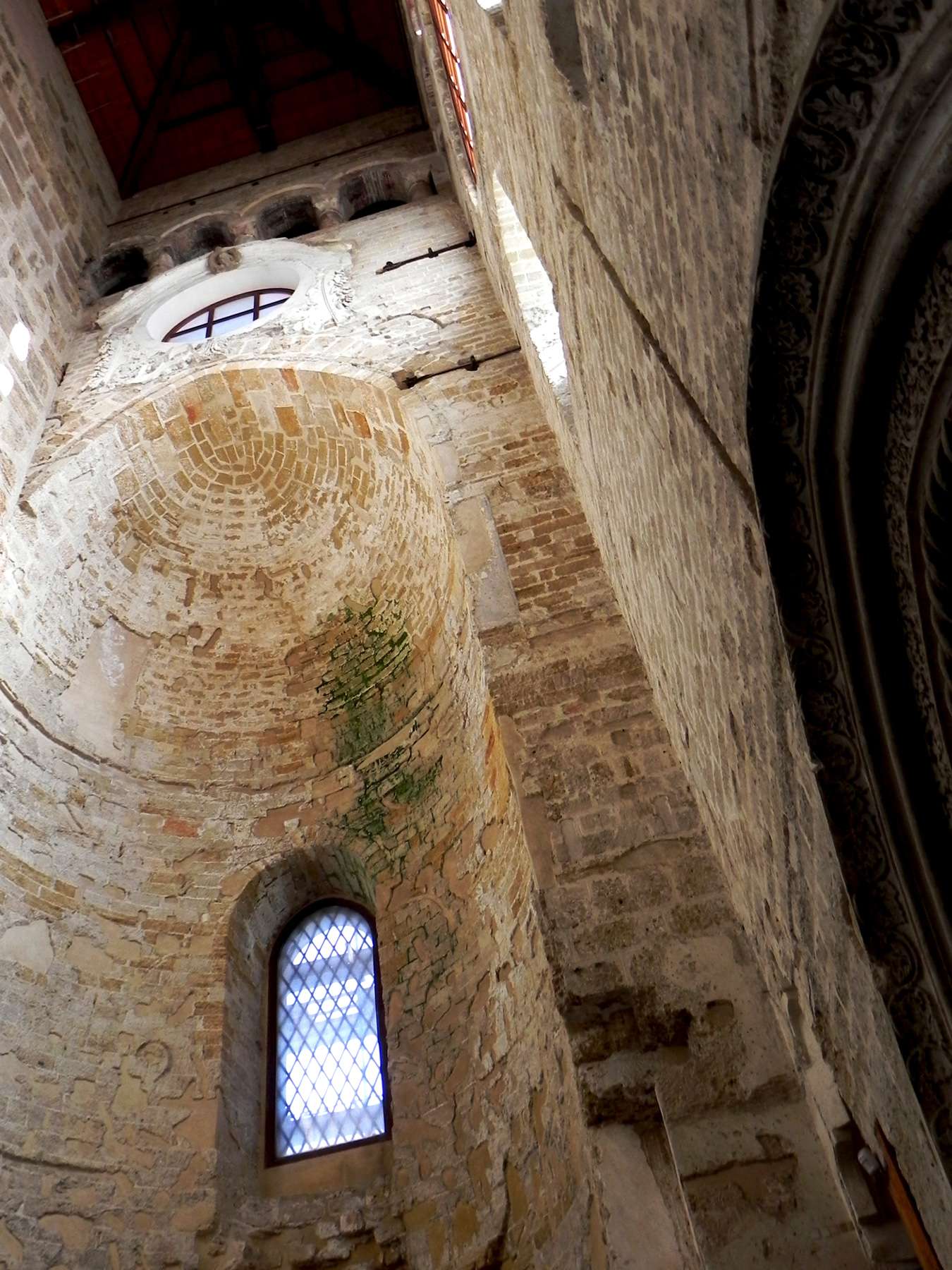
The oldest part of the cathedral exposes its Norman origins
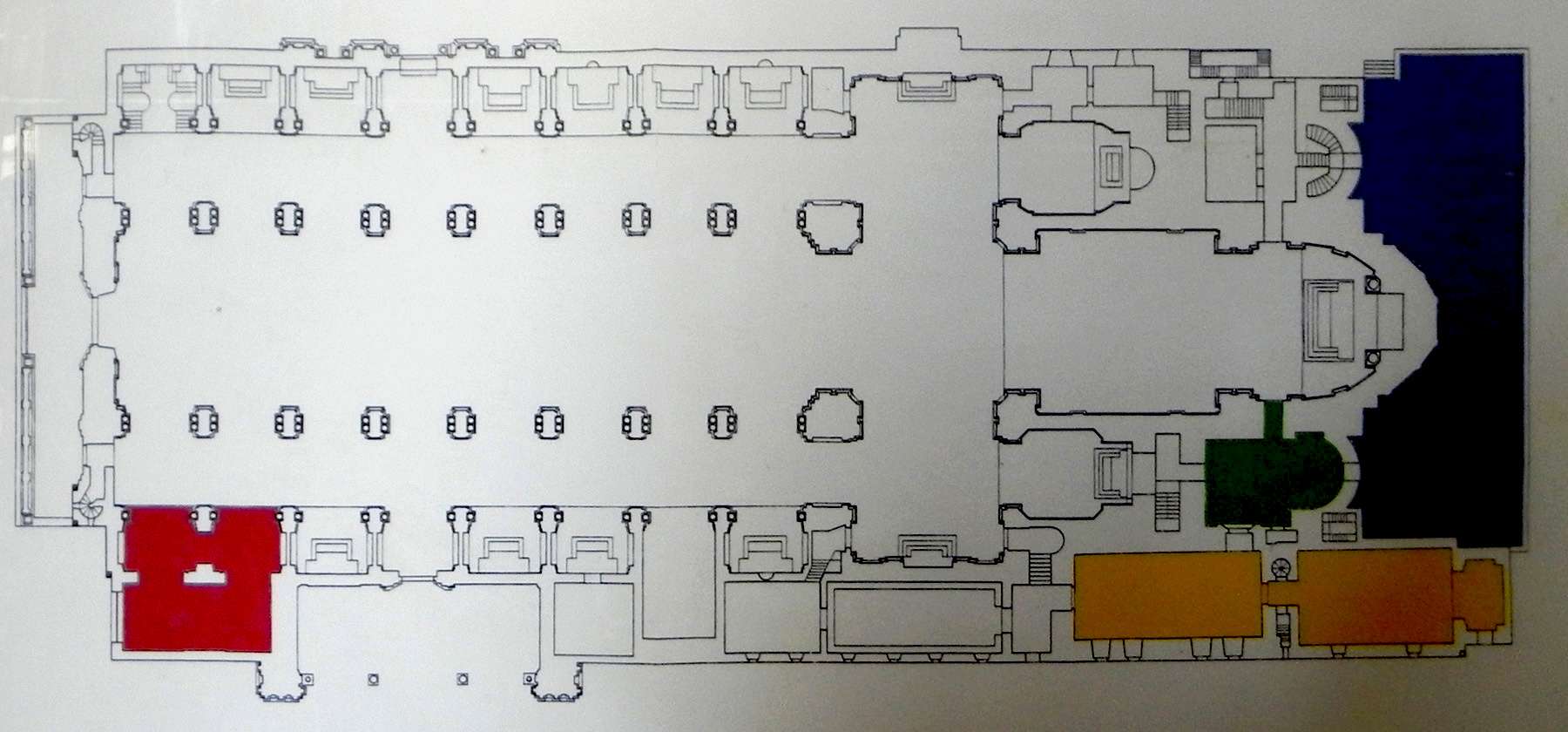
Cathedral's floor-plan:
Red - Royal Pantheon
Oragne - Tresury and Museum
Dark Green - oldest, Norman part of the church
Dark Blue - Crypts
Well, it took long years, but the dream of Archbishop Offamiglio finally came true, the cathedral received the long-sought recognition as one of the Sicilian marvels equaling the fame of Monreale’s Duomo.
Go back to: --> Top Sites to see in Palermo
If you enjoyed this visit, then please share your experience with friends :-)
.
Recent Articles


-
Santa Cruz de Tenerife | Colonial Past mixed with Modernity
Jul 20, 20 10:05 AM
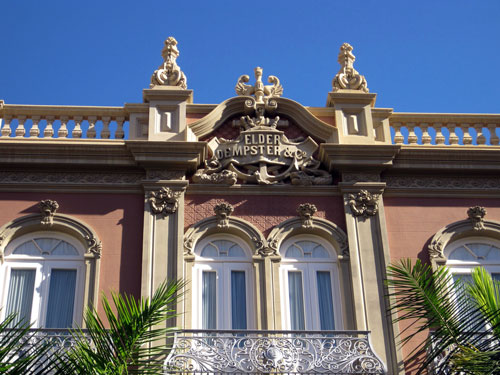
Tenerife (Canary Islands) - time for discovering Santa Cruz, a town where the colonial past is mixed with the modern day capital city….
-
San Cristobal de la Laguna | Tenerife
Jul 05, 20 05:49 PM
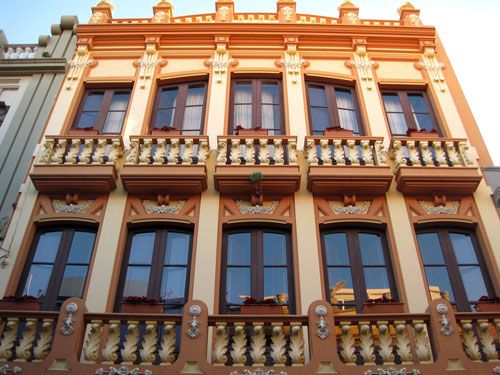
The tour of Tenerife (Canary Islands)- From the old, colonial time streets of Laguna, Santa Cruz, Icod de los Vinos to the new tourism oriented Los Cristianos.
-
Great Apes| Loro Parque Tenerife
May 24, 20 02:15 PM
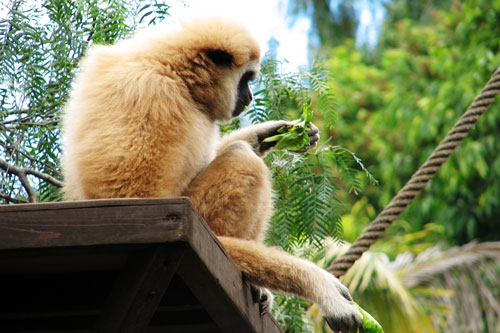
The world of Great Apes - gorillas, chimpanzees and orangutans in “almost natural” settings of Loro Parque
Discover Sicily
Dear Visitor:
If you have any questions and/or suggestions regarding this website please contact us using the following form:
Yours truly
Tom