History of Florio Winery
Marsala Wines
When in 1832 Vincenzo Florio acquired J. Woodhouse’s business he did not know that Marsala aperitif and dessert wines will gain world’s recognition and conquer cuisines
John Woodhouse's "vision"
It all started in 1773, when due to bad sea conditions an English trader John Woodhouse landed in Marsala. He quickly discovered that local wines have similar taste to well-recognized at that time Spanish and Portuguese wines.
To make things even better, he found that Marsala wines had high content of alcohol, so they were suitable for long distance sea trips (higher level of alcohol helps to preserve properties of wine over longer period of time).
Given the fact that at those times England imposed embargo on Spanish and Portuguese ports all stars aligned for Marsala’s wines. Well, the rest is a history. John Woodhouse started mass production of Marsala wines making it a commercial success. It did not take long before Sicilian entrepreneurs recognized great business opportunity. In 1832 the head of the prominent Sicilian family – Vincenzo Florio Sr. bought large swathes of land near Marsala establishing the Florio Winery.
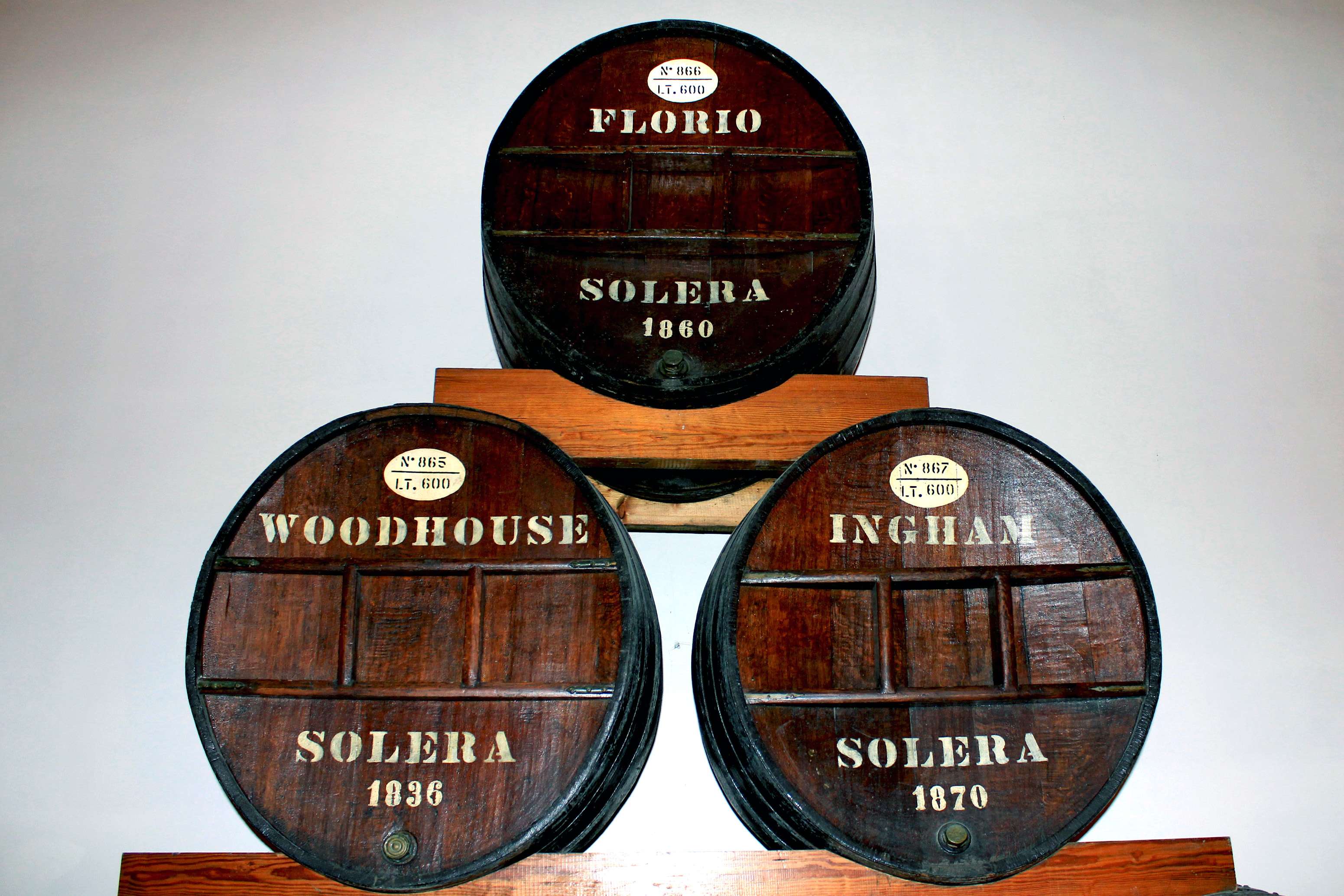
Florio's Museum: Old barrels remembering the time of John Woodhouse
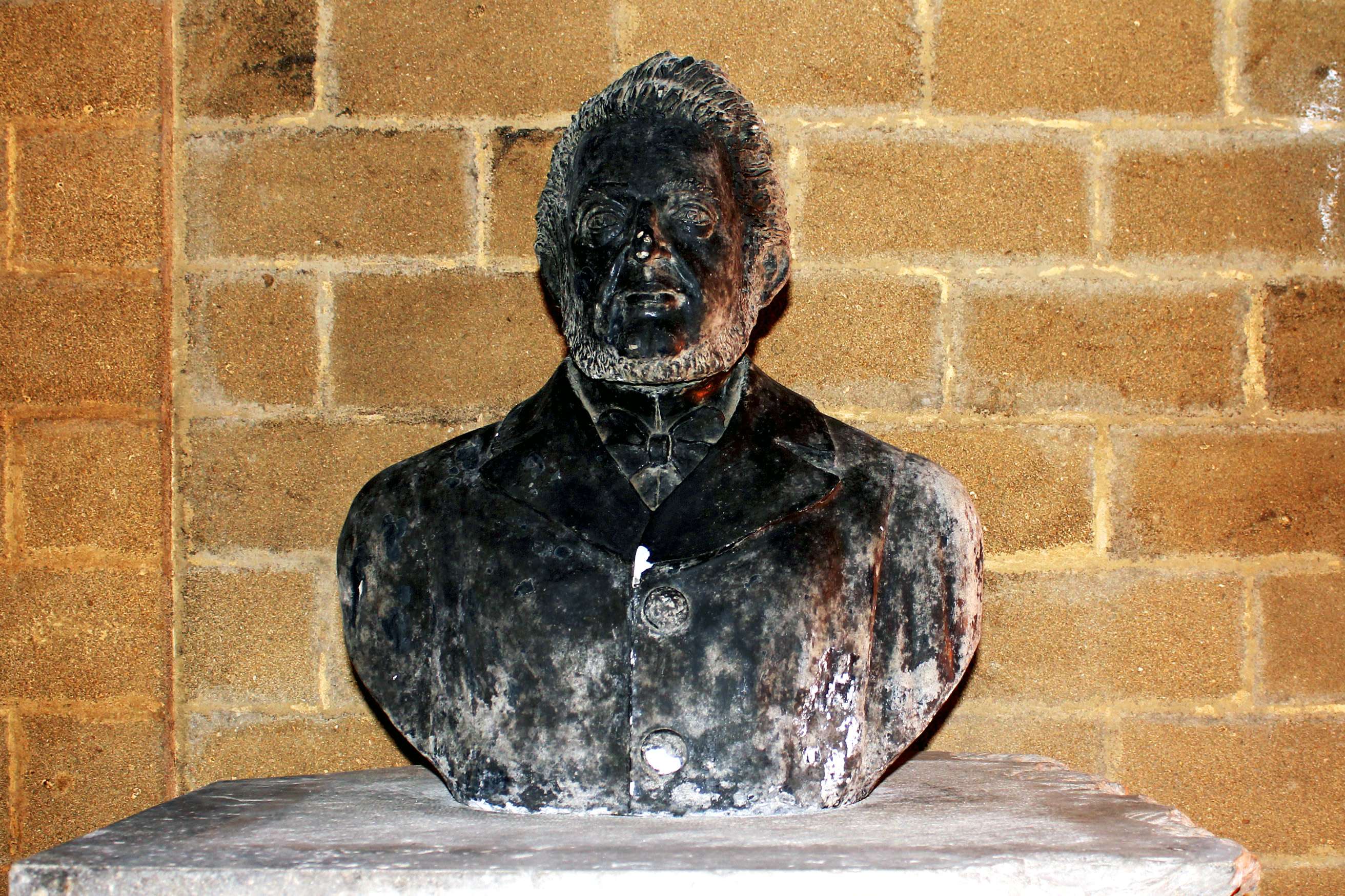
Expoition in Florio's Winery: Vincenzo Florio
Thanks to hard and diligent work he quickly consolidated local wine industry buying also Woodhouse business. Vincenzo Florio’s successors, Ignazio and later Enrico and Vincenzo Jr. greatly contributed to the success of the wine business. Undoubtedly Enrico’s biggest achievement was Vatican’s recommendation of Marsala wines for the celebration of the Holy Mass. It was not only a huge business success but also the recognition of the quality of Marsala’s wines.
Vincenzo Florio Jr. added the new dimension to the family wine business. As an enthusiast of automobiles and avid participant of car races, in 1906 he conceived and then founded the first International Car Race in Sicily – the legendary Targa Florio. Although due to dangerousness of Sicilian roads the racing was abandoned few decades later, it is still living in memories of many Sicilians.
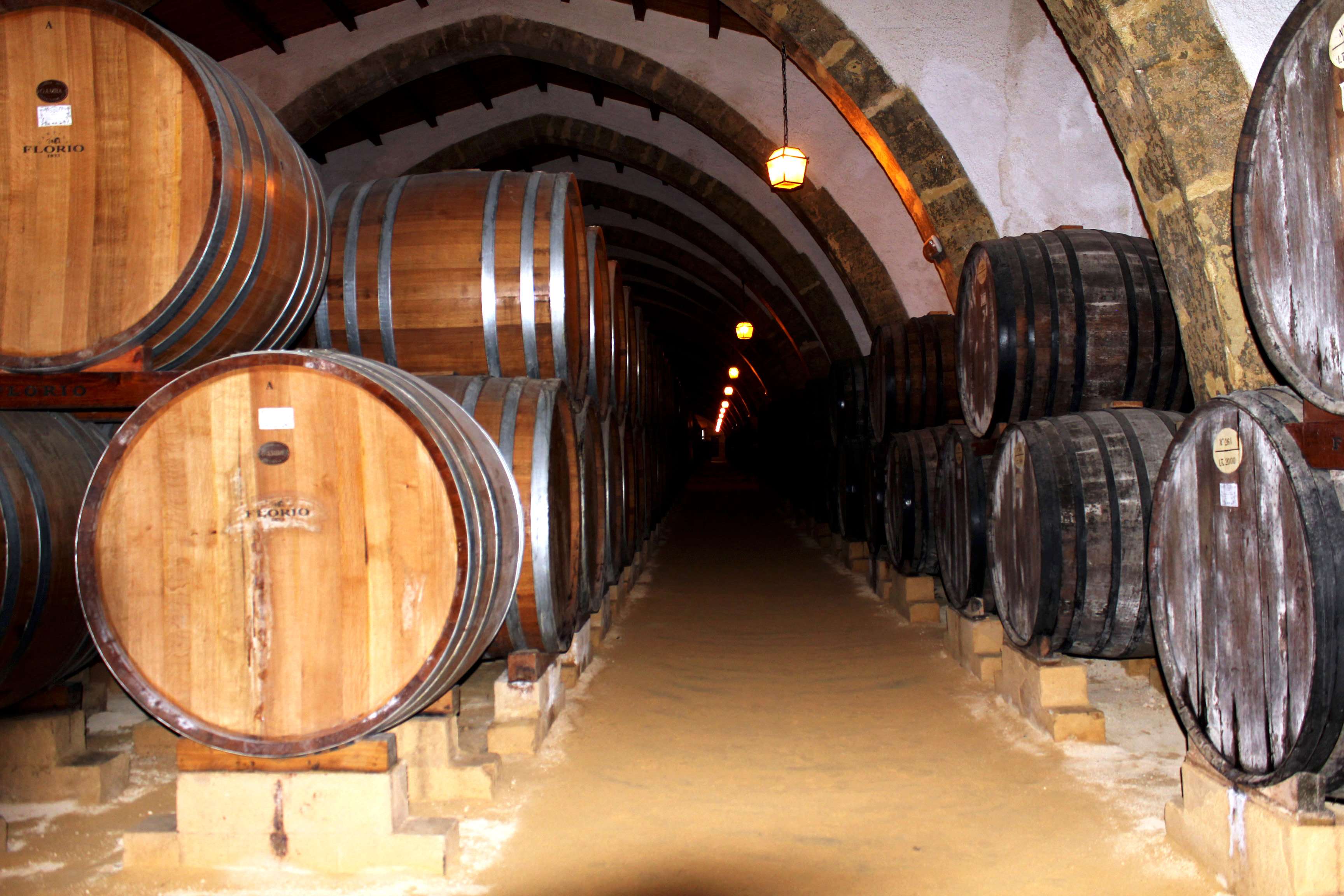

Florio Winery (Marsala, Sicily) - cellars
Today, almost two centuries and two World Wars later (not counting numerous local insurrections and Garibaldi’s expedition) Florio is still a leading and world-wide recognized producer of Marsala wines.
Continuing old traditions, Marsala wines are made mainly from three strains of native grapes: Grillo, Catarratto and Inzolia. Thanks to the centuries old process of ageing called “perpetuum”, these wines contain high level of alcohol (about 20%).
For long, Marsala wines were considered to be equal to such well-recognized brands as Sherry, Madeira and Port (Porto). They were traditionally served before a meal as an aperitif (apperitivo) with cheese or fruits and after a meal, as a dessert wine (digestivo).
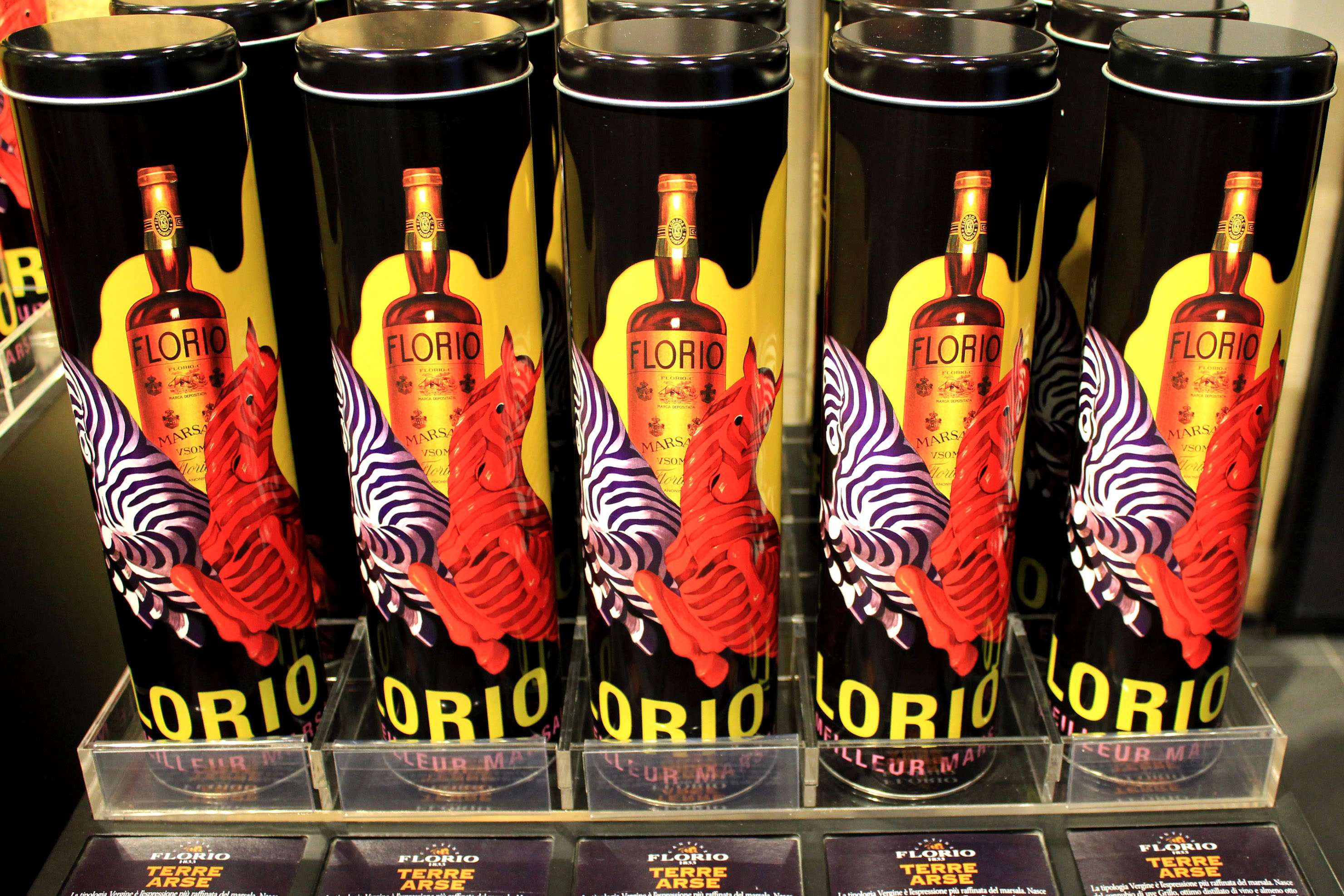
The wine Terre Arse is made from Grillo grapes and aged for at least eight years in small Slavonian’ oaks barrels

Florio's wine is available all over the city of Marsala
Things changed once US introduced Californian version of “Marsala” wine with lower content of alcohol. This new “pretending-to-be” Marsala wine quickly found its way to the kitchen as a cooking wine. The final effect was not so disastrous – Chicken Marsala or Marsala Veal are well known delicacies you can find in fine Italian restaurants across the United States. Marsala wine is also one of the key ingredients “responsible” for the heavenly taste of Tiramisu…
No wonder, restaurants’ kitchens across the US are still major recipients of Marsala wines!
Cooking story reminds me a famous saying: “I like to cook with wine, sometimes I even add it to the food” (W.C. Fields)….
But there is also “other side of the story” - “demoting” Marsala wines to the kitchen for years completely changed the perception of Marsala wines which originally were predominantly sweet and semi-sweet dessert and aperitif wines.
Sadly, most of Americans believe that Marsala wines are only for cooking. Actually, I guess that not many know where from came the names “Chicken Marsala” or “Veal Marsala” and frankly till recently I did not have any idea either. That is why in the US there is no demand for more refined Marsala wines – simply they are quite unknown “outside” of US-based Italian restaurants. As the result there is no demand for fine Marsala wines, so these wines are not imported and the “viscous circle” is closed!
To counter this “watered-down” tendency, some 20 years ago the Italian DO Agency (Denomination of Origin) introduced stricter regulations governing the use of the name Marsala for wines. As the result Marsala wines are recovering their original position on the international markets….
For connoisseurs
Below -Famous Marsala wines: Targa (left) and Terre Arse (right)
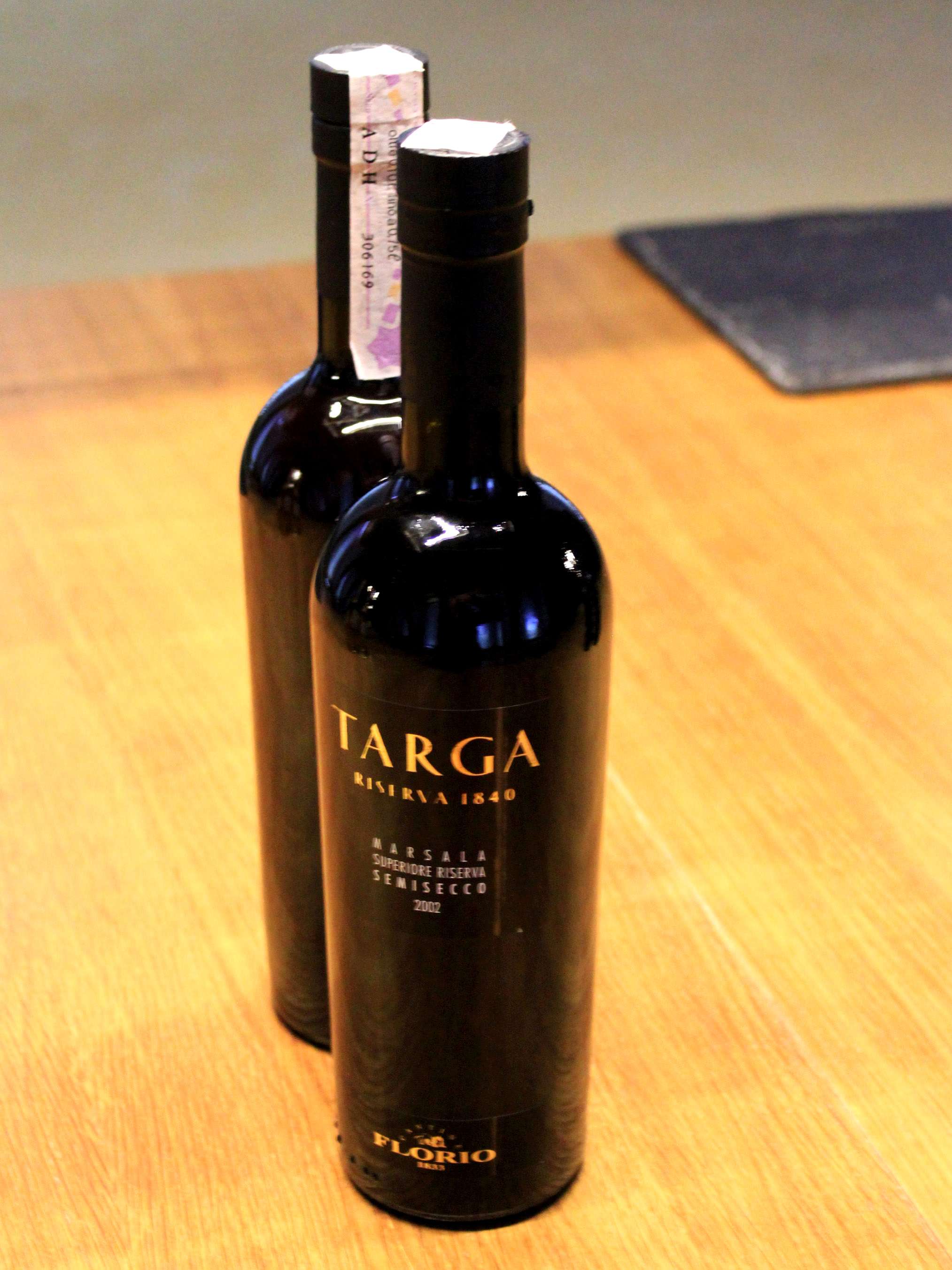
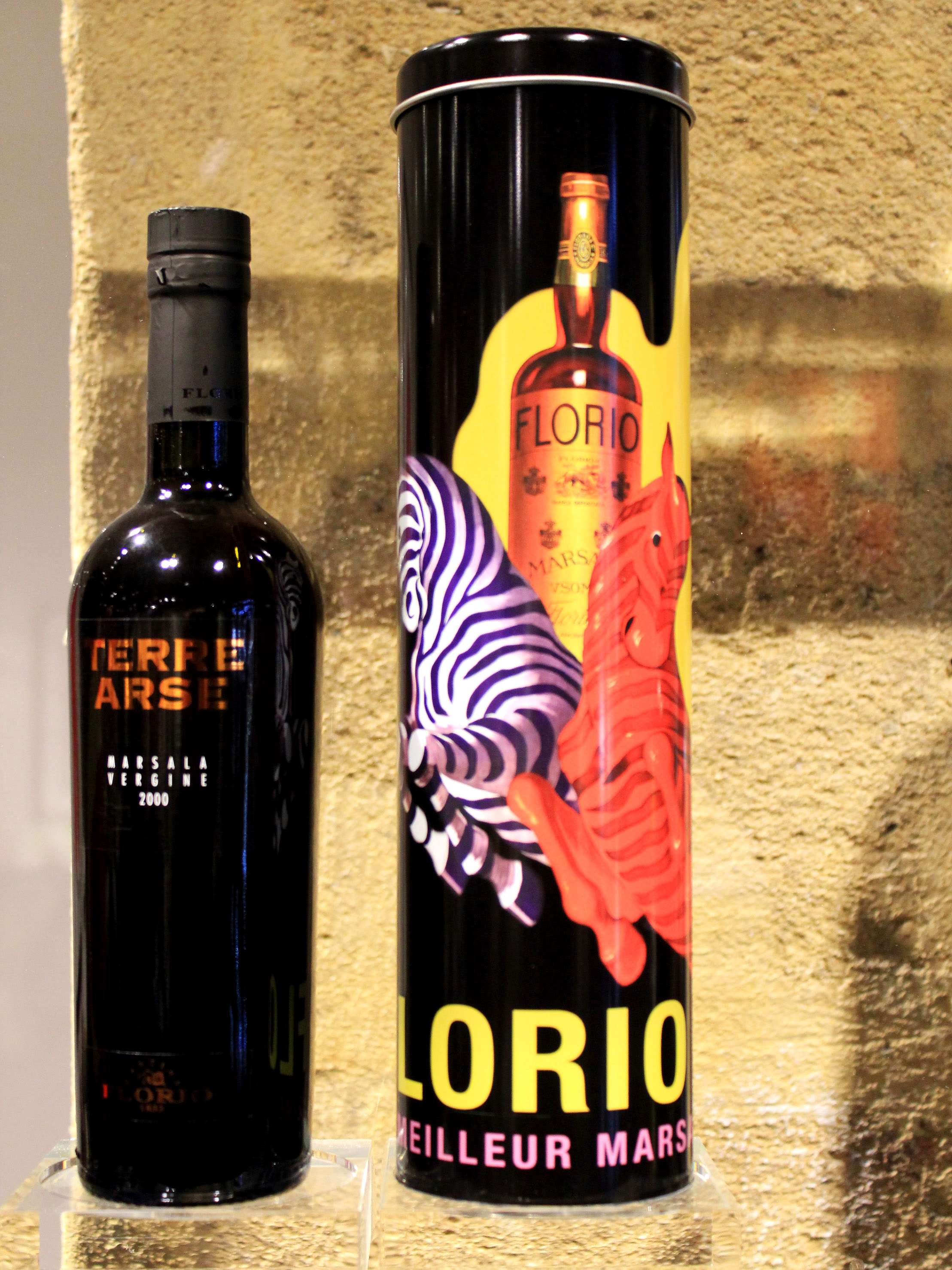
Marsala wines are categorized according to the color (golden, amber and ruby), sweetness (dry, semi-dry and sweet) and time of ageing as follows: Fine (about 1 year of ageing), Superiore (at least 2 years), Superiore Riserva (at least 4 years), Vergine (at least 5 years) and Vergine Riserva (at least 10 years). It may be interesting to mention, that Marsala wines are aged in at least 10 years old oak casks (apparently the “older is better” in this case).
This is actually one of the “secrets” of Marsala’s century old production process – no new barrels! They use old barrels purchased from other wineries to meet their strict “production” requirements. And another secret – during ageing, barrels are not fully filled with wine, so they always contain some air (oxygen) on the top. Even more, most of them are not closed hermetically, so the air can easily enter the barrel. And this is all I can disclose because ageing in the presence of oxygen is one of Marsala’s secrets!
Short update on the business

Florio's Museum: Distillation equipment
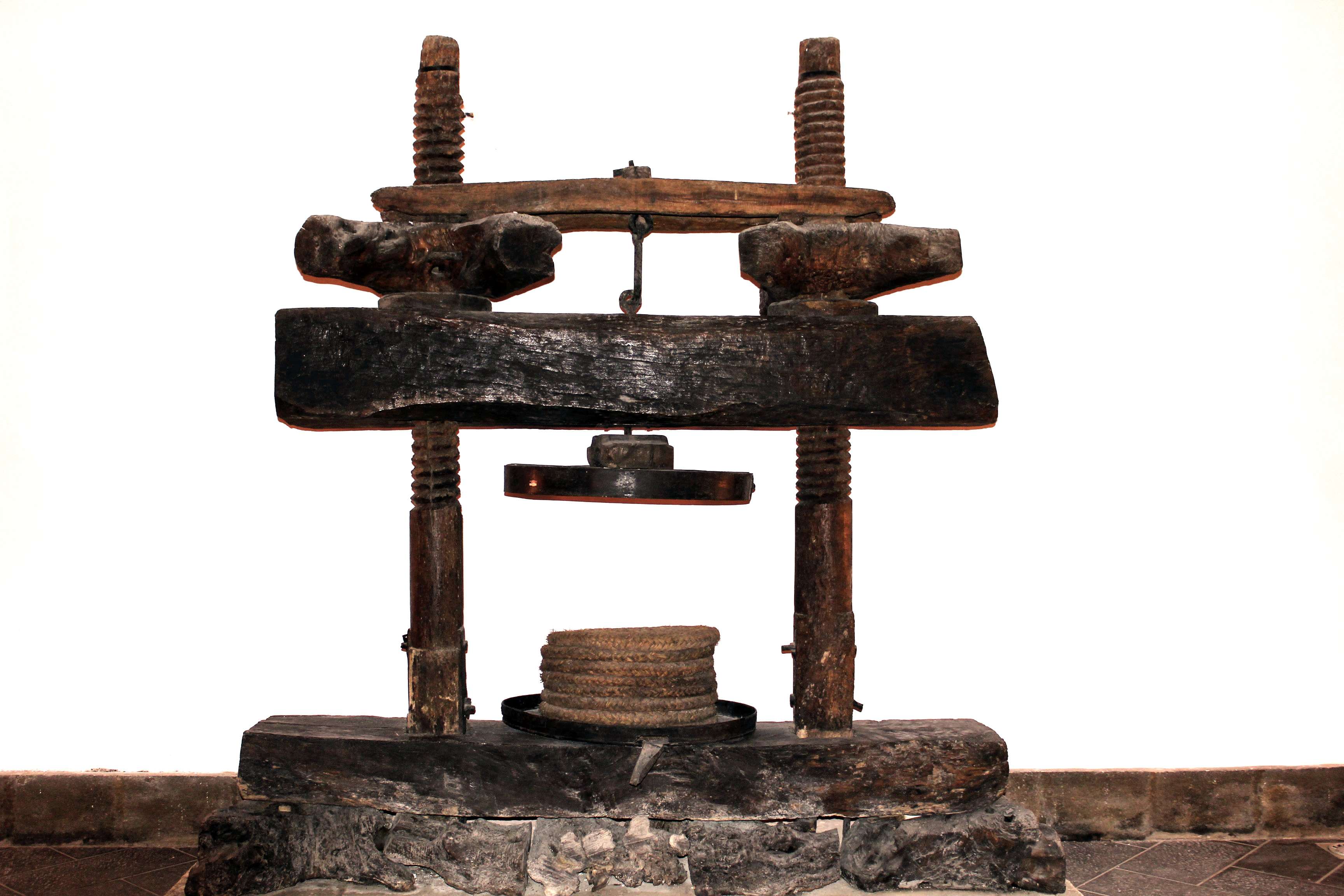
Florio's Museum: old press

Florio's Museum: Garibaldi was big lover of Marsala's wine (this is a memory of his days in Marsala)
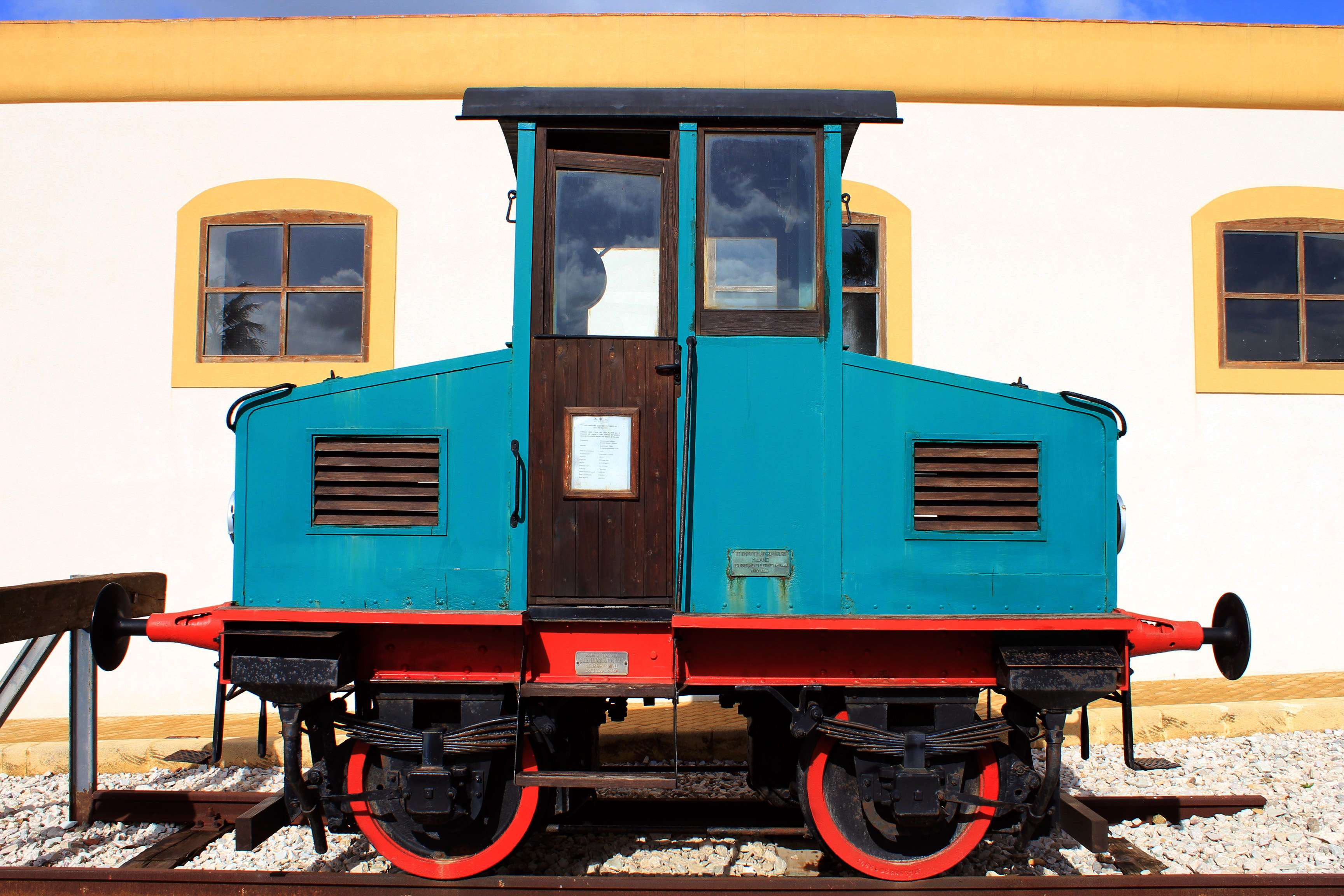
Florio's Museum: Electric Locomotive from 1929, it was used to transport wine from Florio's cellars to Marsala's train station

Hundred fifty anniversary of the glorious life - It’s a long period between the past and the future. From the genial work of Vincenzo Florio to reality of today's dynamic, the Italian tradition in the world stays as a constant objective
In 1924 the Florio Winery was acquired by Cinzano (another big name in the wine business). Then from 1988, Florio is part of Illva di Saronno (ILLVA stands for Industria Lombarda Liquori Vini & Affini) – to the whole world better known as the producer of Amaretto.
At the end I left a bit of humor – apparently during the time of prohibition, Marsala wine was exported to the US as a medicinal drink (bottles had labels “Hospital Size”). But honestly, there is some “truth” in this story, because in Sicilian “collective memory”, Marsala wine for long was considered as a source of youthfulness and strength! (ask Italian Grandmas!)
As the matter of fact the old symbol of the Florio’s Winery displays a sick lion “feeding” on the Sicilian vineyard to recover from his illness …. And if you ask local people, they will confirm this story although even the oldest Sicilians do not remember seeing any lion on the island) :-)

Florio's Museum: this is probably the only known (these days) Sicilian lion (here "devouring" Marsala's grapes
Wine Fountain

Fountain of Wine: Hardship

and Gratefulness
The Wine Fountain (designed by Salvatore Fiume) was erected in 1978. It highlights two fundamental aspects of life in this region of Sicily – work and enjoyment.
The “kicking” donkey carrying a barrel of wine on his back symbolizes the hardship of farming and cultivation of vines. The Bacchante expresses the gratefulness for the generosity of land, appreciations for what it provides (wine!), and joyfulness, so necessary to survive let’s face it – harshness of life!
Since some time, in an attempt to boost local “wine-oriented-consciousness” as well as (let’s be honest) to attract tourists, the local administration has been organizing special open-air events. For example the “Under-the-Stars” wine tasting takes place each year at the night of San Lorenzo. Similarly, combining the music with wine the Jazz Festival takes Marsala’s streets …. But frankly, doesn’t matter when you will visit Marsala - the wine is there, so “Salute” (Cheers!)
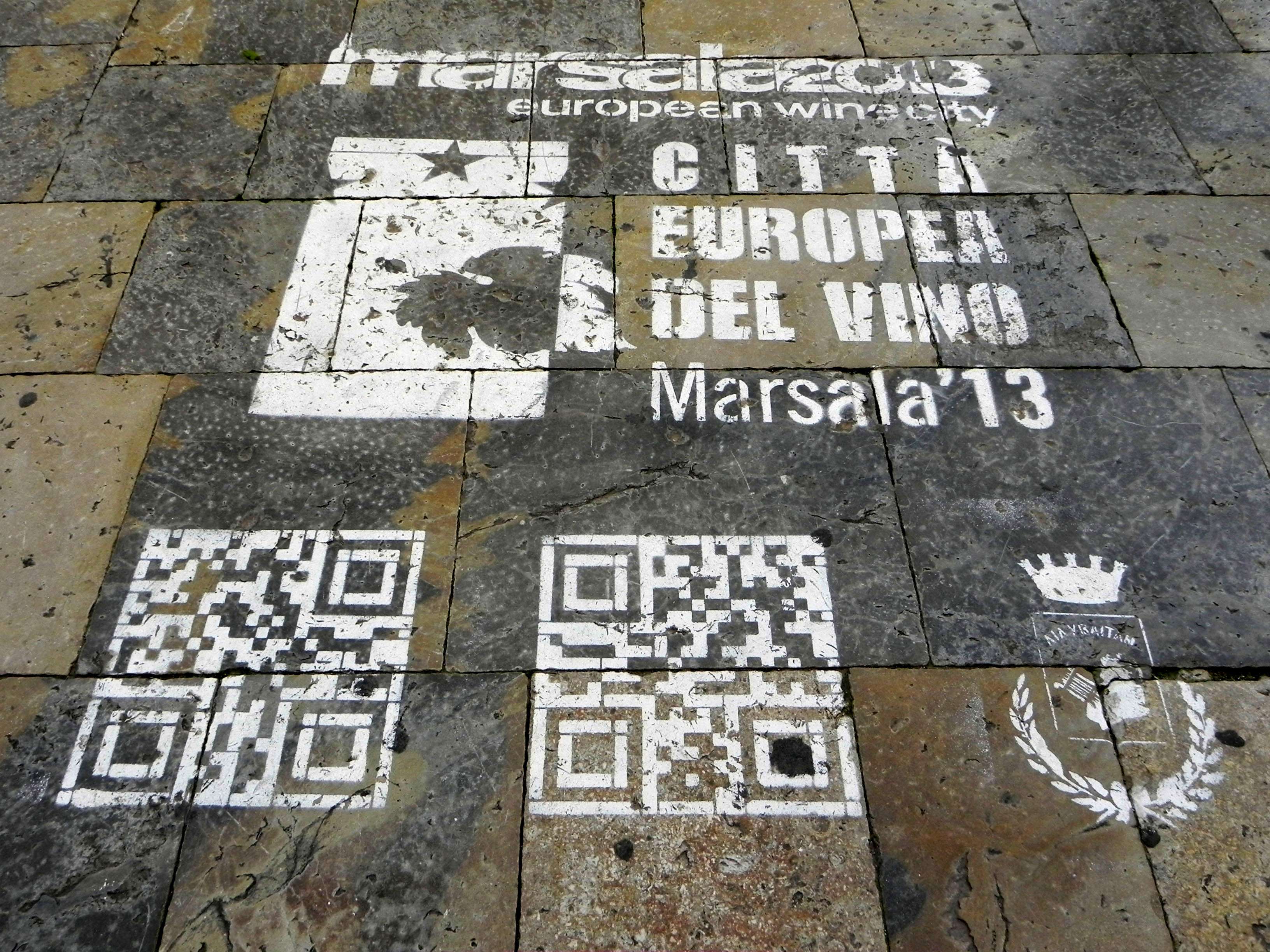
In 2013 Marsala was awarded with the honor of the European City of Wine.
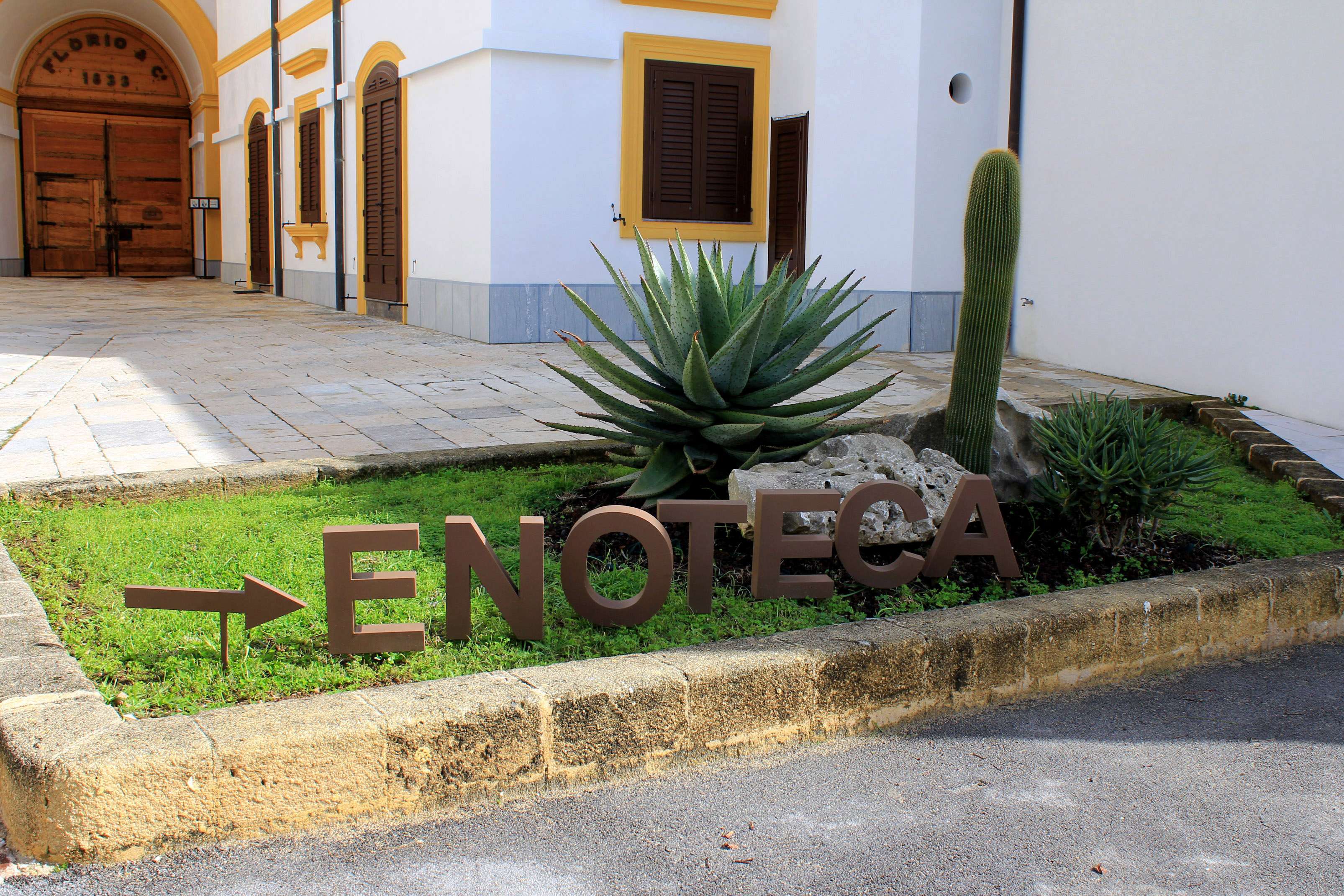
And now, after learning the history of Vincenzo Florio's business and Marsala wines it's time to move forward. And that means only one thing: Enoteca (wine shop) and: --> Florio Wine Tasting Tour
If you enjoyed this visit, then please share your experience with friends :-)
.
Recent Articles


-
Santa Cruz de Tenerife | Colonial Past mixed with Modernity
Jul 20, 20 10:05 AM
Tenerife (Canary Islands) - time for discovering Santa Cruz, a town where the colonial past is mixed with the modern day capital city….
-
San Cristobal de la Laguna | Tenerife
Jul 05, 20 05:49 PM
The tour of Tenerife (Canary Islands)- From the old, colonial time streets of Laguna, Santa Cruz, Icod de los Vinos to the new tourism oriented Los Cristianos.
-
Great Apes| Loro Parque Tenerife
May 24, 20 02:15 PM
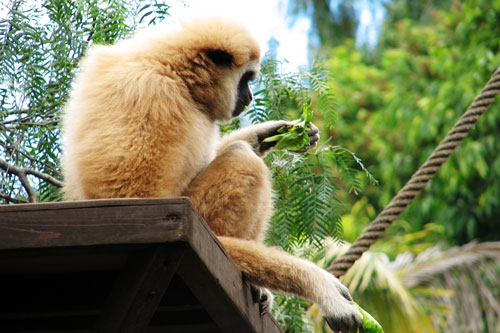
The world of Great Apes - gorillas, chimpanzees and orangutans in “almost natural” settings of Loro Parque
Related pages on Amazing World....
City and more....
Cities and their little secretslist of cities
Buenos Aires Walking Tours
Palacio Barolo (2 pages)
Anchorena Palace
Kavanagh Building
Plaza San Martin
Puerto Madero (2 pages)
Plaza de Mayo Tour (2 pages)
Plaza del Congreso Tour (3 pages)
Colonia Sacramento (2 pages)
Guilin - China (3 pages)
Shanghai (3 pages)
Shanghai- Yu Garden (2 pages)
Impression -Liu Sanjie Show
Havana (5 pages)
New York (3 pages)
Masca (Tenerife)
Tenerife tour (5 pages)
Paragliding in Tenerife
Tibetan House
Chitwan Tharu Village
Timisoara (2 pages)
Kathmandu Garden of Dreams (2 pages)
Palermo Top Sites
Castles
Castles -Krakow (2 pages)
Castles- Orava
Ajlun Castle
Food and restaurants
Old Town Cracow Restaurants (several pages)
La Tasca -Patagonia
Café Tortoni Buenos Aires
Baked potatoes fiesta
Canarian potatoes
Florio Winery
Hotels
Loi Suites-Iguazu Falls (4 pages)
Hotel w/Infinity Pools
Nagarkot Hotel
Chitwan Forest Lodge
Dominica Jungle Bay Resort & Spa
Museums and Monuments
Selection of museums
Buenos Aires Open Art Gallery
Hemingway's Museum in Havana (Cuba)
Whistling language - La Gomera
General San Martin
English Tower
Cristo Redentor
Recoleta Cemetery (4 pages)
Colonia Antigua (Museums)
Park "La Flor"
Mokra Gora Ethno-Village (2 pages)
Saugerties Lighthouse" (2 pages)
Theaters
Teatro Colon Buenos Aires (2 pages)
Churches, Temples and Pagodas
Palatine Chapel
St. Patrick - NYC;
Iglesia de la Concepción (Tenerife)
Basilica of Blessed Sacrament (Arg)
Buenos Aires Cathedral (Arg)
Our Lady of Pillar (Arg)
Basilica in Colonia Antigua (Uruguay)
Orawka Wooden Church (Poland)
St. Nicolas Greek Orthodox Church in Havana (Cuba)
Timisoara Cathedral (Romania)
Leshan Giant Buddha
Pokhara-Peace Pagoda (Nepal)
Street lamps
Street Lamps (3 pages)
Old Cars, Trains and more
Old cars
Sargan-8 Steam-Engine Train Adventure (2 pages)
Bridges
Tara River bridge
Drina Bridge
Dear Visitor:

If you have any questions and/or suggestions regarding this website please contact us using the following form:
Yours truly
Tom