Exotic Toucans
Iguazu Falls Rain-Forest Birds
Toucans - beautifully colorful, exotic birds in their natural habitat of the Iguazu Falls rain-forest.
Page 3
Toucans - Facts
Toucans are native birds to the rain-forests of the Central and South America.
Despite that fact they are very well recognized all over the world thanks to their unusually large and beautifully colorful bills (beaks).
There are more than 40 different species of toucans.
Most of them share the following common characteristics:
-long bill (up to half of the body length),
-strong short legs adapted for jumping,
- sexual dimorphism (in other words males and females do not have visible physical differences in shape and colors) and -
- a long thin grey-colored tongue.
The biggest and probably the most recognizable from the family of toucans for their yellow-orange bills are Toco Toucans.
|
|
|
|
| full size: 2.74MB | 2.83MB | 3.42MB |
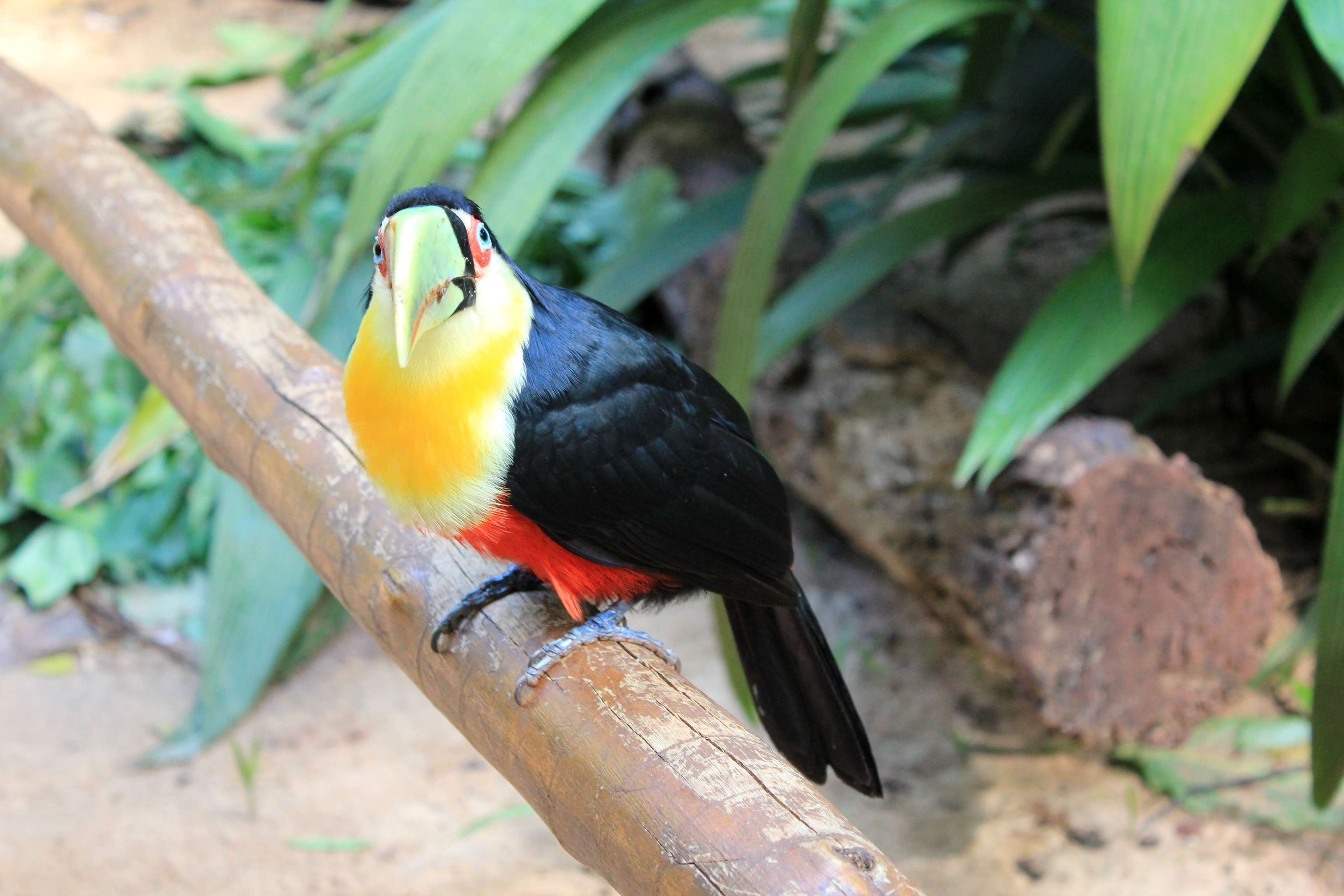
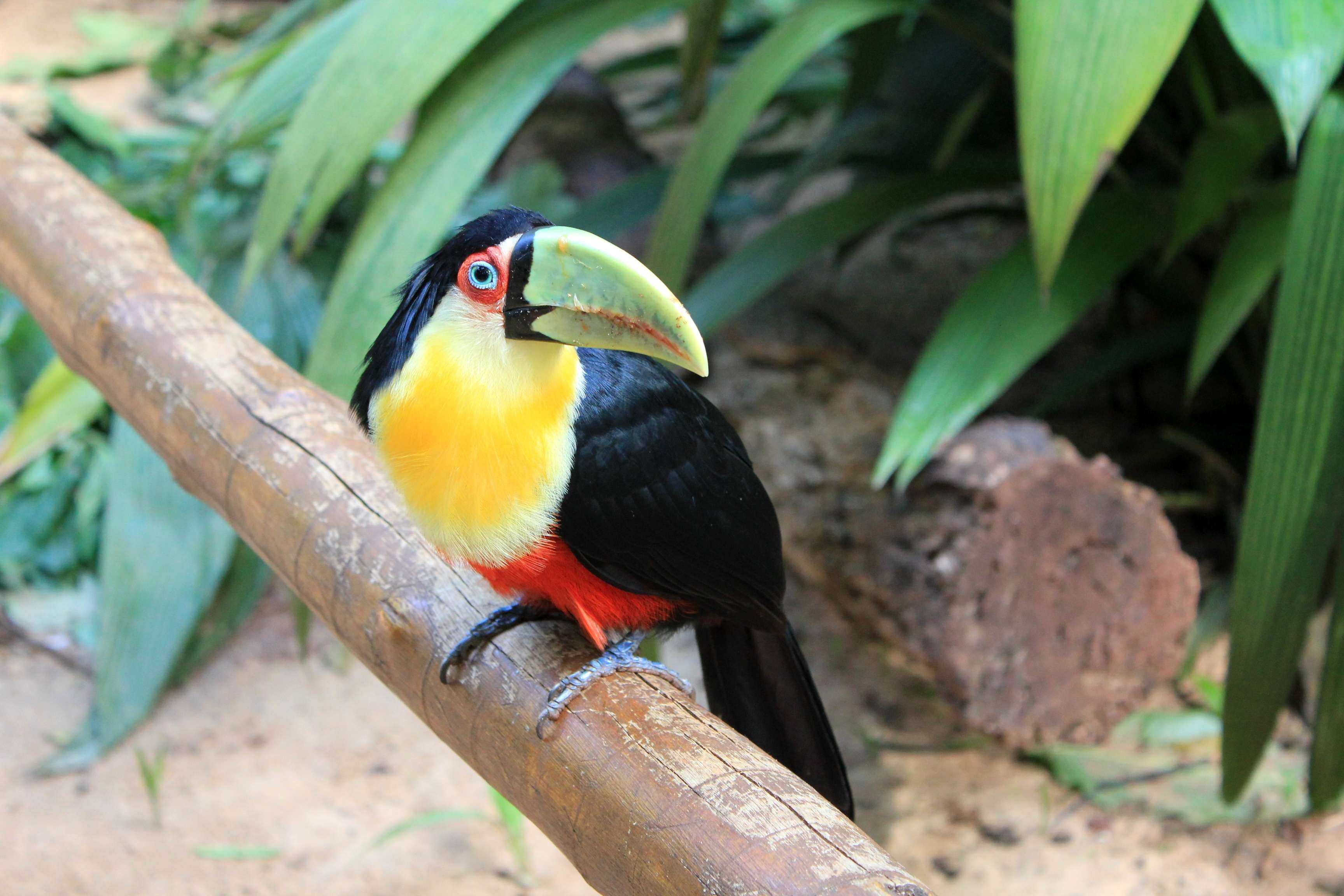

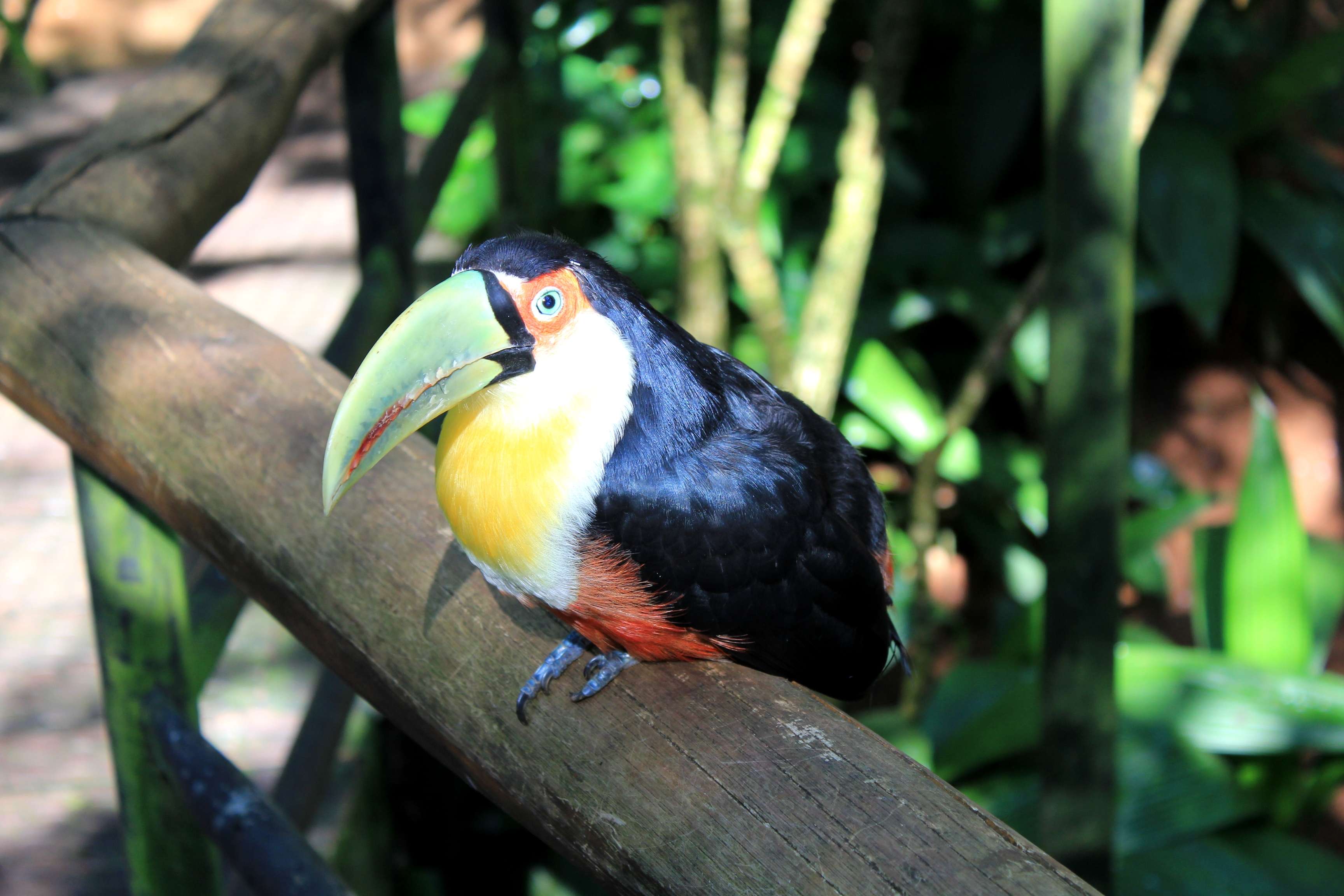
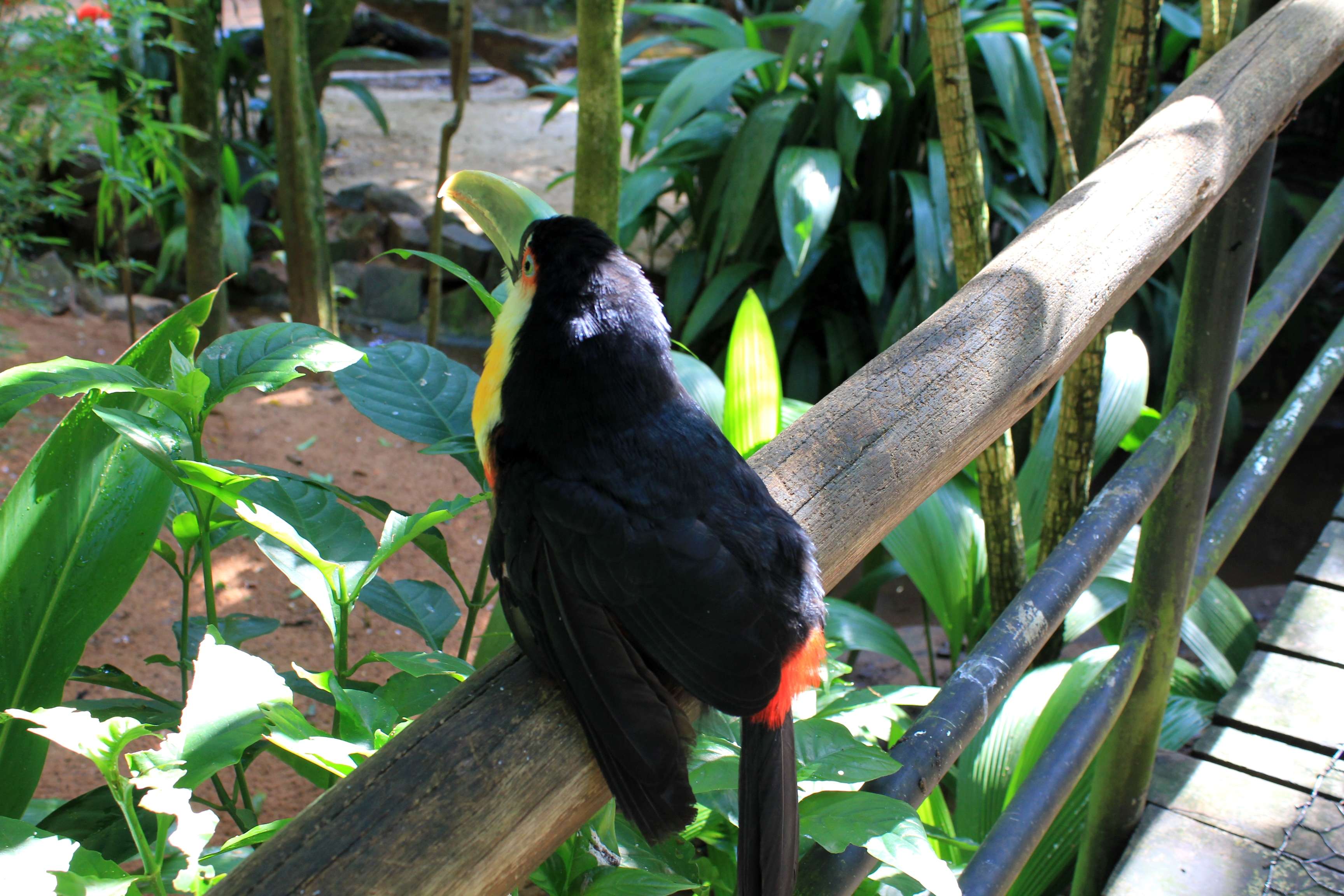
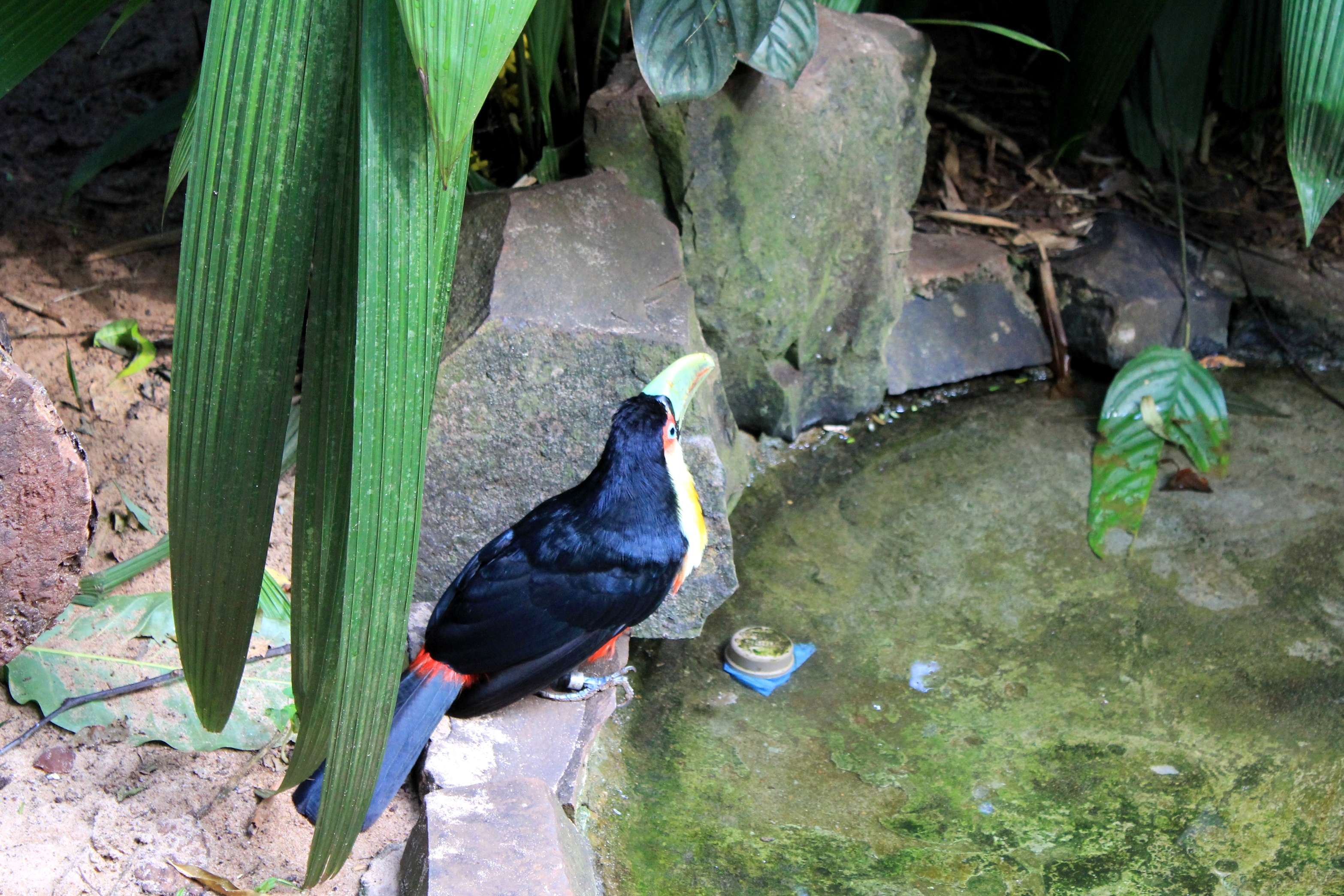
Red-breasted Toucan (Tucano-do-bico verde). The Portuguese name of this Toucan seems to reflect more adequately the green color of its bill.
|
|
|
|
| full size: 3.07MB | 2.64MB | 3.14MB |

|
|
|
|
| full size: 1.92MB | 1.96MB | 2.39MB |
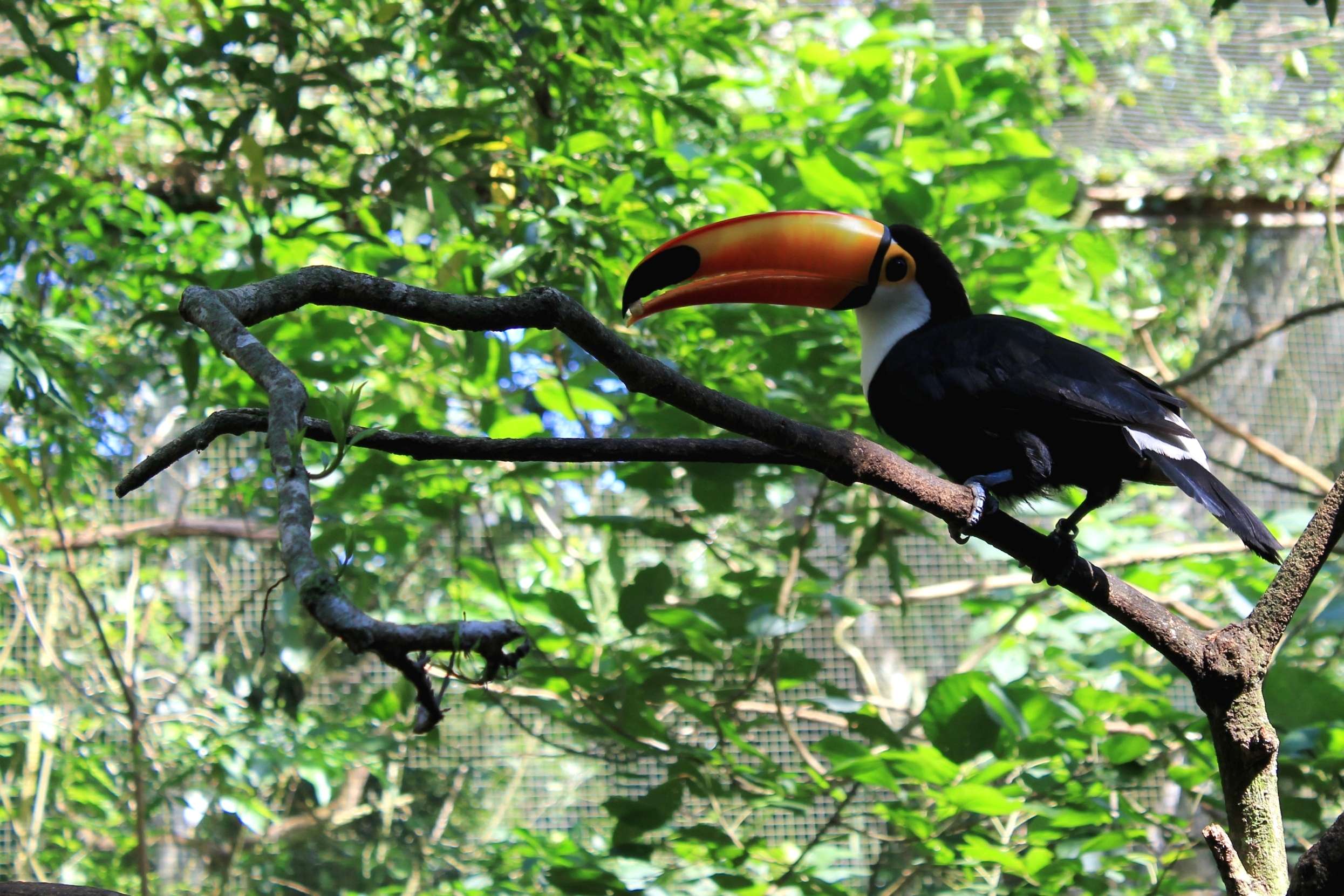

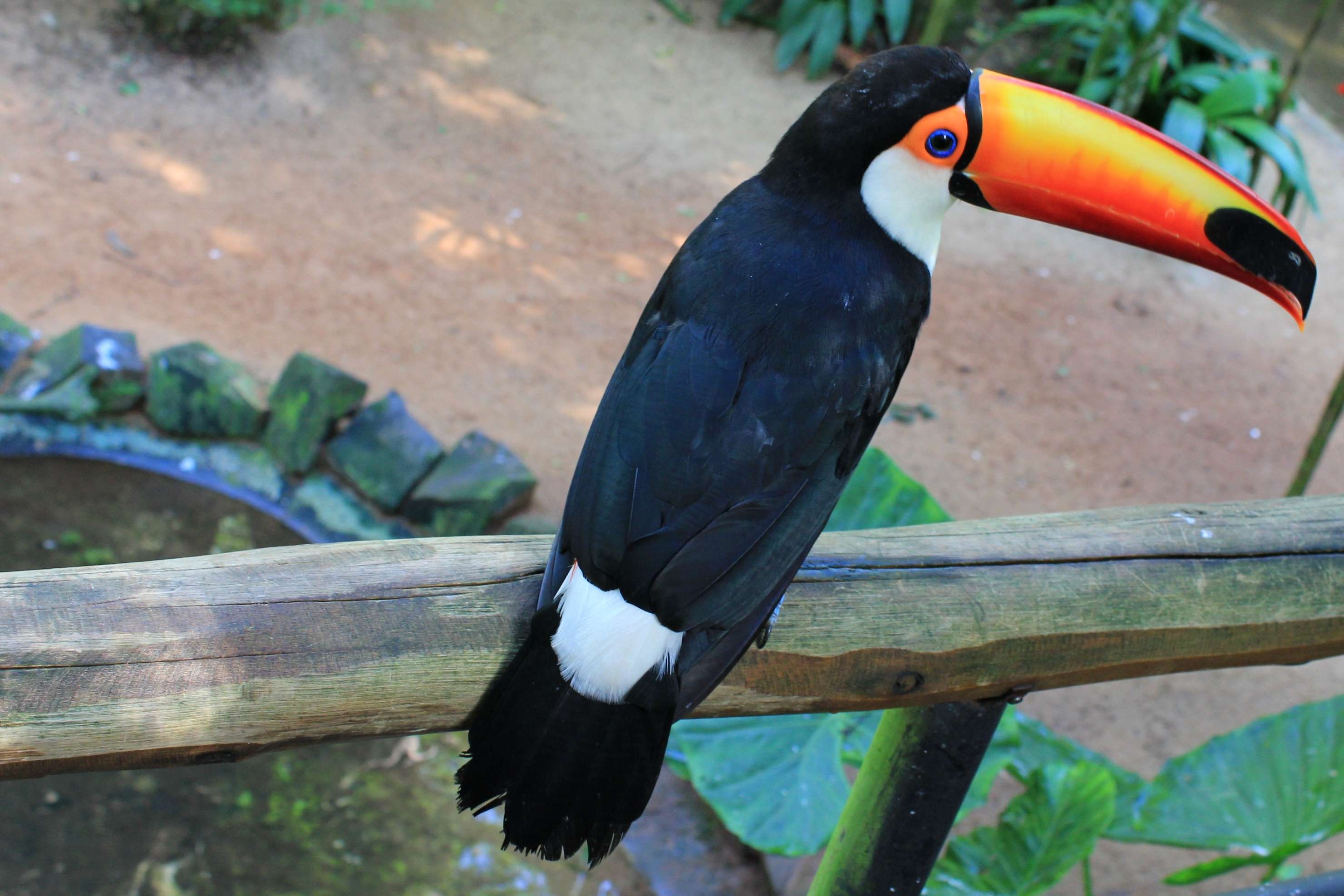
Toco Toucans with their impressive bills
|
|
|
|
| full size: 3.39MB | 2.71MB | 745kB |

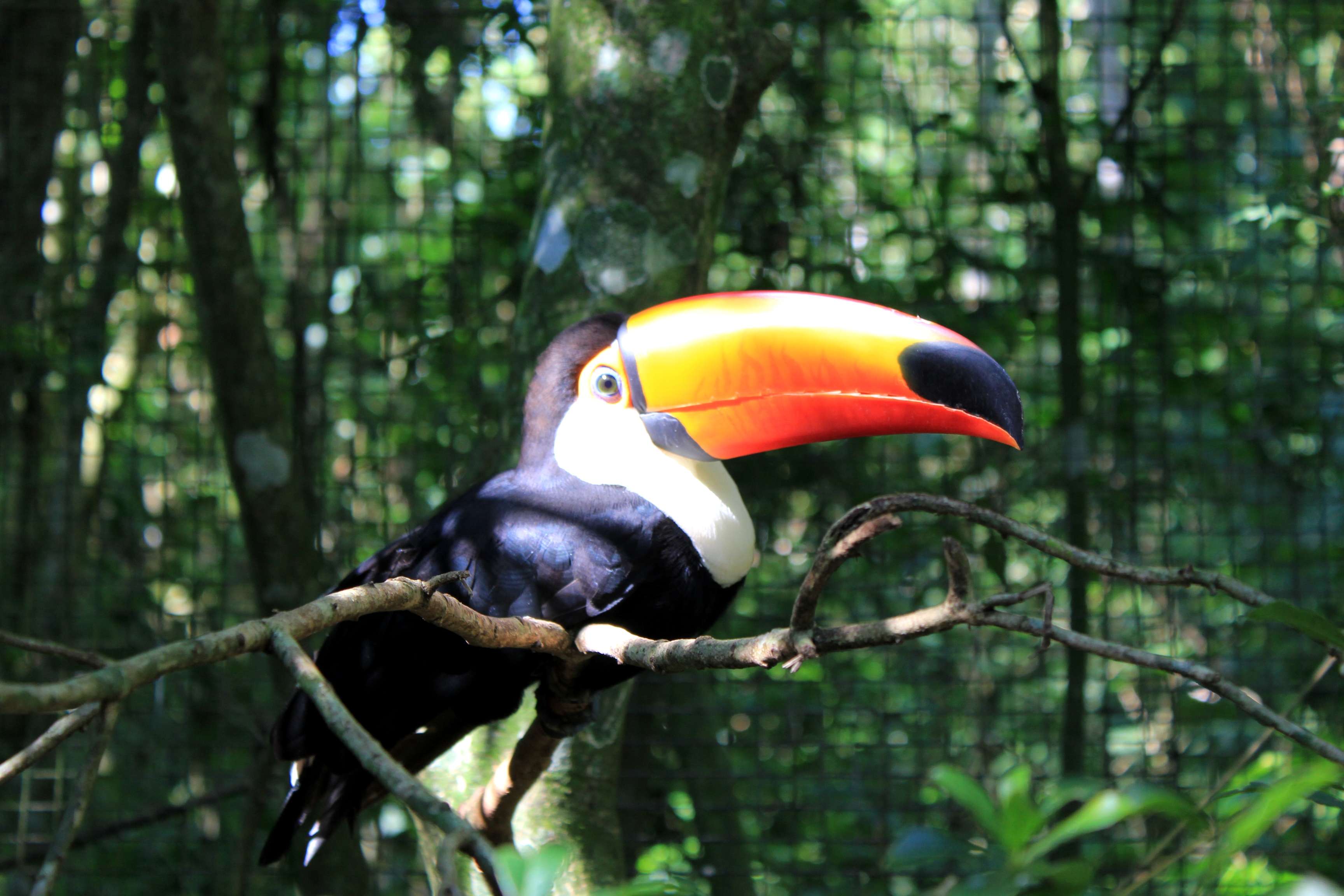

The Toco Toucan on the right picture is the most precious. It was shot in the wild.
|
|
|
|
| full size: 1.38MB | 2.27MB | 3.39MB |
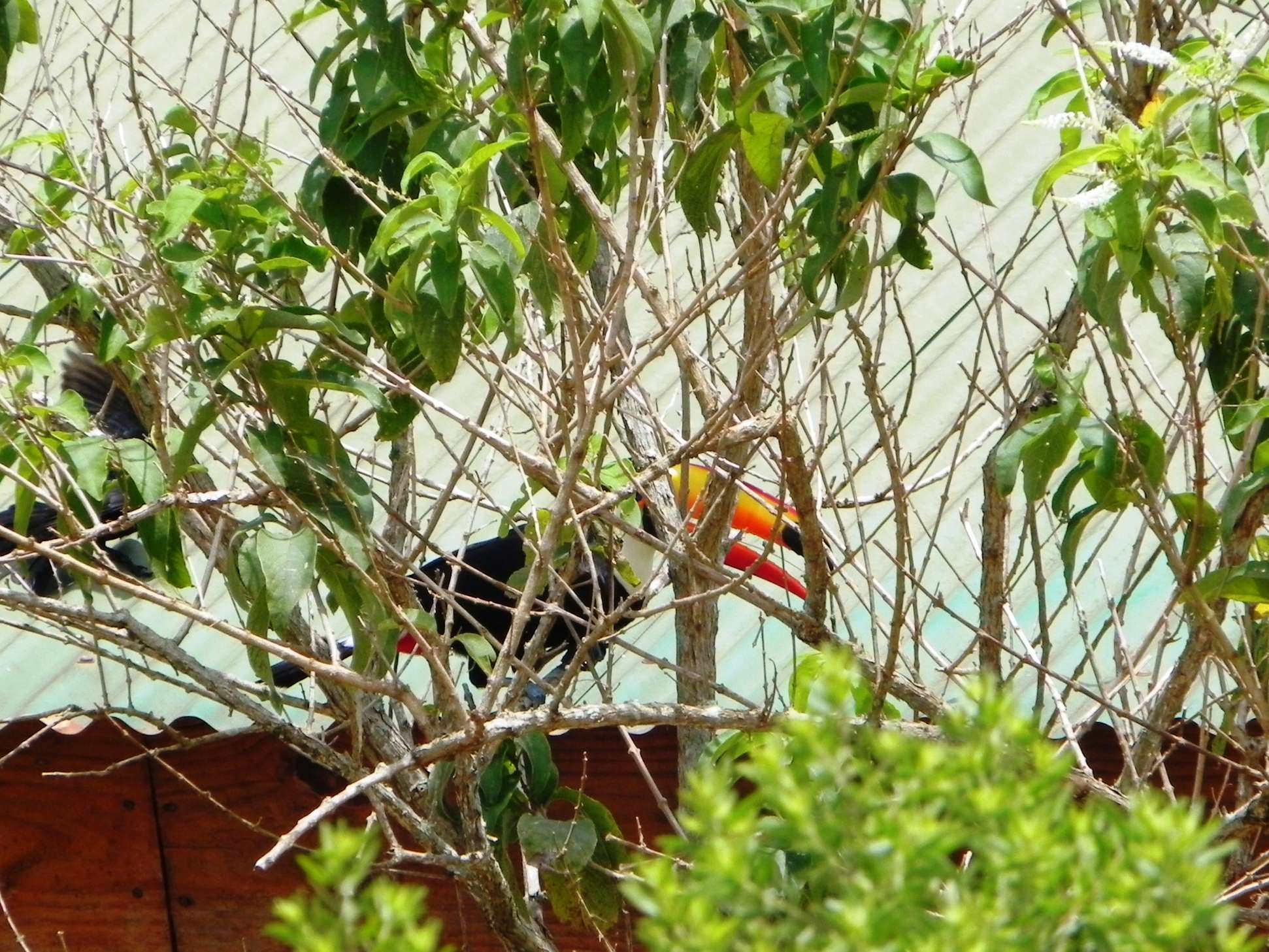

Toucans are omnivorous – although their diet mainly consists of all kind of fruits, seeds and berries they also eat insects, small birds, eggs, lizards. Indeed in captivity they can live only on insects diet without any visible side-effects.
At the first look it seems that their big and colorful beaks should be a disadvantage in an endless fight for survival. In other words it should be eliminated by the nature. Well, wild toucans are still doing pretty well.
They are not classified as endangered species so there must be something we do not know yet (nature rarely is making a “large scale mistakes”).
While it is not well understood why their beaks are so long (possibly to reach fruits on weak branches that cannot support their weight?), the rainbow of colors may actually not be so detrimental. Up there in the rain-forest canopy when seen against the speckled and deflected sunlight, rainbow of colors may actually serve as a good camouflage.
Toucans are not very good at flying, primarily due to the relatively small wingspan compared to size of the body. But the truth is – they are tree dwellers and do not need to fly over long distances to find food. They rather jump from branch to branch in a search for fruits and insects. Also, they live kind of social life in groups so there is also no need to go far in a search for mate.
It is worth to note that these impressive bills are actually quite light and soft thanks to their “honey-comb” structure. As beautiful as they are and possibly intimidating for other species, bills are useless in any combat situation – be it a case of danger or “domination dispute”.
Surprisingly they also do not add any benefits in a mating process. Both sexes of toucans have bills of similar shape and colors so this potentially impressive tool does not play any role in attracting the partner.
BTW- recently proposed theory states that toucans’ beaks thanks to their “airy” structure may actually serve as a thermoregulation system!
In wild, toucans are probably noisiest birds hardly keeping a low profile. That may indicate the lack of serious natural threats and predators. It seems that these days the most endangering for toucans (next to the deforestation) are humans. Toucans are not only beautifully colorful but also intelligent birds, no wonder they are often ending up in captivity as pets and sadly there is a huge market for them.
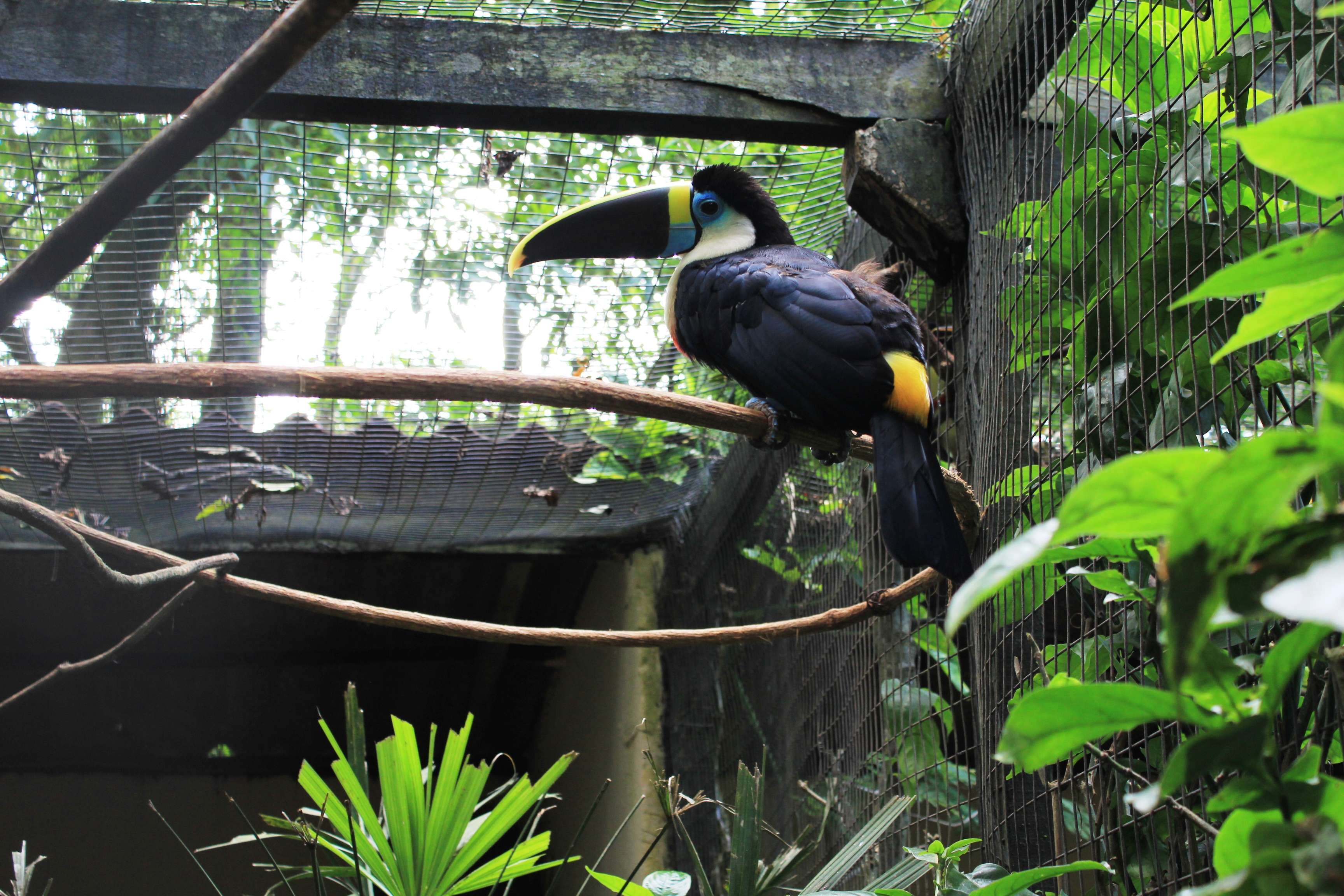
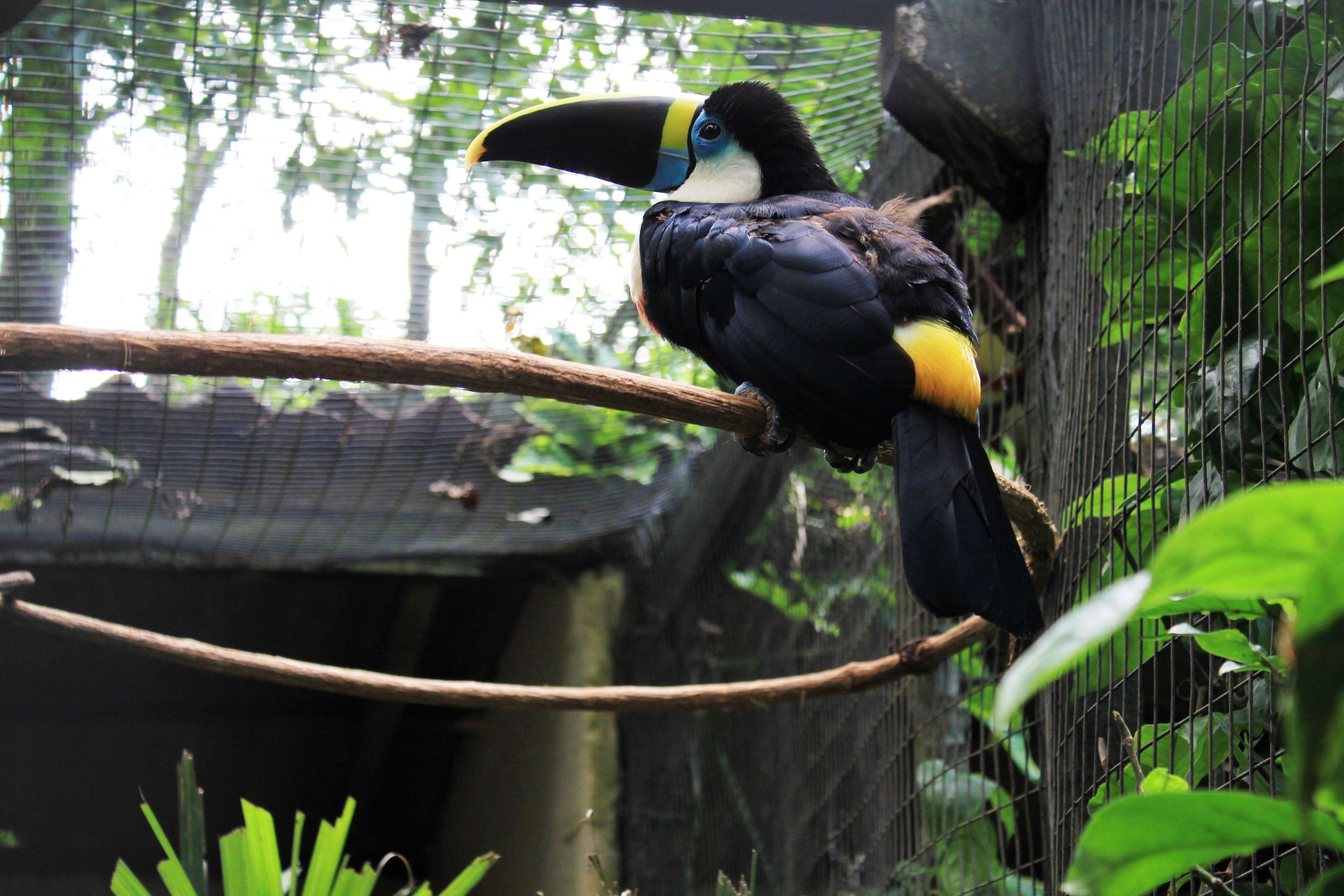
White-throated Toucans (Tucano-grande-de-papo-branco) breed in rain-forests of central Brazil and Equator.
I hope that the Free Toucans Birds Park Pictures brought all of us closer to these fabulous birds – not as the caged pets, but as freely-flying, jumping, living and enjoying their own lives “animal beings”.
To go back and restart the birds' trail click: Parque des Aves - (previous)

However:
If you want to see pictures of hummingbirds and/or read humming-birds facts then either click on the picture or select the following link:
Humming-Birds- (next)

If you are already in Iguazu Falls, then you may consider the trip to Zoo of Buenos Aires by clicking the link: Buenos Aires Zoo
If you enjoyed this visit, then please share your experience with friends :-)
.


Recent Articles

-
Santa Cruz de Tenerife | Colonial Past mixed with Modernity
Jul 20, 20 10:05 AM

Tenerife (Canary Islands) - time for discovering Santa Cruz, a town where the colonial past is mixed with the modern day capital city….
-
San Cristobal de la Laguna | Tenerife
Jul 05, 20 05:49 PM

The tour of Tenerife (Canary Islands)- From the old, colonial time streets of Laguna, Santa Cruz, Icod de los Vinos to the new tourism oriented Los Cristianos.
-
Great Apes| Loro Parque Tenerife
May 24, 20 02:15 PM
The world of Great Apes - gorillas, chimpanzees and orangutans in “almost natural” settings of Loro Parque
Related pages on Amazing World....
Animal World
Big Cats
African Lions
White Lions Cubs (2 pages)
White Lions of Timbavati
White Lions Facts
Jaguars & Leopards
Tigers
White tigers (2 pages)
Pandas
Giant Panda (4 pages)
Red Panda
Birds
Andean Condors
Birds (4 pages)
Eagles and Vultures (2 pages)
Parrots (2 pages)
Penguins
Rainforest Aviary
Toucans
Hummingbirds
Paranal Aviary
Macaws Aviary
Pets
Cats (4 pages)
Dogs (2 pages)
Insects
Butterflies (3 pages)
Insects - general
Other Animals
Bears
Lamas
Apes
Tibetan yaks
Zoo Parks
Parque das Aves- Map and facts (5 pages)
Buenos Aires Zoo (2 pages)
Loro Parque-Tenerife

If you have questions regarding this website, or simply suggestions, stories and/or pictures you would like to share, then please: